Artist Exit Strategies: How to Leave a Gallery Professionally
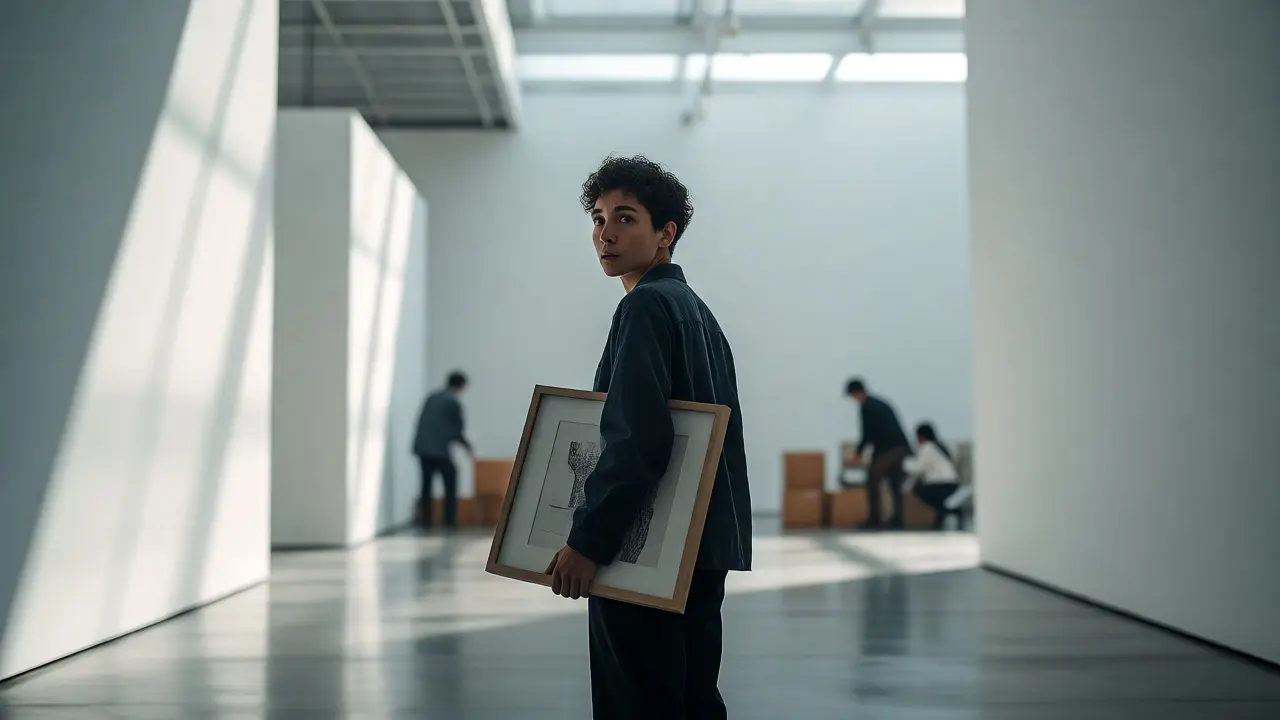
You’re staring at the email from your gallery director. It’s polite, vague, and full of corporate fluff about "restructuring." But you know what it really means: they’re dropping you. Or maybe it’s the opposite-you’ve outgrown them. You’re selling out shows in Berlin while they’re still trying to push your work to local collectors in Ohio. Either way, the relationship has run its course. Now comes the hard part: how do you leave without burning bridges or tanking your career?
Leaving a gallery isn’t just a breakup; it’s a business pivot. In Artist Representation, the contractual and relational framework where a gallery acts as an agent for an artist’s sales and promotion, the exit is often more critical than the entry. A messy departure can haunt you for years, with rumors spreading through tight-knit collector circles. A clean one opens doors. Let’s look at how to navigate this transition like a pro, not a casualty.
Understanding the Contractual Reality
Before you send that resignation letter, check your paperwork. Most Gallery Contracts, legal agreements outlining commission rates, exclusivity clauses, and termination notice periods between artists and galleries are surprisingly rigid. They aren’t handshake deals anymore. If you signed an exclusive agreement, you might be legally bound to sell through them for another six months, even if you’re already working with a new space.
Look for three specific clauses:
- Termination Notice: How much warning do you need to give? Thirty days? Ninety? Ignoring this can lead to legal disputes over unpaid commissions.
- Sunset Clause: This dictates whether the gallery retains rights to sell your existing inventory after you leave. Some galleries keep their hands on unsold works for up to two years post-departure.
- Non-Compete/Exclusivity: Does the contract forbid you from showing with other galleries within a certain geographic radius during the notice period?
If you don’t have a written contract-yes, some artists still operate on vibes-you’re in a gray area. Here, social capital matters more than legal code. Leaving abruptly without explanation looks bad. Leaving with a clear, respectful narrative protects your reputation.
The Financial Logistics of Leaving
Money talks, especially when the relationship ends. The biggest friction point isn’t usually the split of past sales; it’s the inventory. Who owns the work sitting in the back room? Technically, you do, unless you consigned it under terms that grant the gallery a lien until sold. But practically, getting your work back can be a nightmare if the gallery is disorganized or upset.
| Item | Standard Practice | Risk Factor |
|---|---|---|
| Unsold Inventory | Returned to artist upon request | High damage risk during transport; storage fees may apply |
| Outstanding Commissions | Paid within 30-60 days of sale | Galleries may delay payment citing "audit" processes |
| Marketing Costs | Deducted from artist share | Disputes over what constitutes a valid marketing expense |
| Catalogue Rights | Gallery retains image usage for archives | Limited control over future promotional use of your images |
Pro tip: Before you announce your move, ask for a full accounting of all sales from the last 18 months. Get it in writing. Once you leave, chasing down missing receipts becomes infinitely harder. Also, clarify who pays for shipping the remaining stock back to your studio. If the gallery is small, they might expect you to cover it. Negotiate this upfront. It’s cheaper to pay $200 for freight now than to argue about it later.
Navigating the Social Dynamics
The art world is smaller than you think. That curator who rejected your proposal last year is likely friends with the director of the gallery you’re joining next. When you leave, you’re not just changing vendors; you’re shifting alliances. How you handle the conversation matters.
Don’t blame the gallery for your success-or lack thereof. Instead, frame the departure around growth. "I feel my work has evolved in a direction that requires different institutional support," sounds professional. "You didn’t promote me enough," sounds bitter. Collectors hear everything. If you trash-talk your former gallery, potential buyers wonder if you’ll trash-talk them too.
Consider the timing. Leaving right before a major art fair (like Art Basel Miami Beach) is risky. Galleries rely on continuity for these events. If you pull out mid-cycle, you disrupt their booth planning. Try to align your exit with the end of a show cycle. It gives both parties time to wrap up logistics without panic.

Transitioning to Independent or Hybrid Models
Many artists today aren’t swapping one gallery for another. They’re going hybrid. You might keep a secondary gallery for international exposure while handling primary sales yourself via Instagram or a personal website. This shift changes your Artist Business Model, the revenue structure combining direct-to-collector sales, gallery commissions, and licensing opportunities.
Going independent means you become your own manager. You handle invoicing, taxes, shipping, and client relations. It’s liberating but exhausting. Start by testing the waters. Keep your current gallery for large-scale projects or museum placements, but start building your direct collector base now. Use tools like Artsy or Saatchi Art to list secondary market pieces, but reserve your newest, most important work for direct sales. This preserves your pricing power. Galleries often discount heavily to clear inventory; you don’t have to.
Protecting Your Market Value
A sudden drop in visibility can confuse collectors. If your price points were set by a reputable gallery, removing that endorsement can make buyers hesitant. To mitigate this, ensure transparency. When you move to a new gallery or go solo, communicate clearly with existing collectors. Send a newsletter. Explain why the change benefits them (e.g., better access to new works, lower prices due to removed middleman).
Be careful with price adjustments. If you lower your prices significantly after leaving a high-end gallery, it can signal distress rather than strategy. Conversely, raising prices too quickly without new institutional validation can stall sales. Aim for stability. Let the new context justify any shifts. If you join a stronger gallery, let their reputation lift yours. If you go independent, prove your value through consistent exhibition history and press coverage.

When to Walk Away Completely
Sometimes, there is no next step. No new gallery. Just you and your studio. This is common for emerging artists whose work hasn’t yet found a commercial fit. Walking away from representation doesn’t mean quitting art. It means reclaiming control. Many successful artists spent years self-representing before catching a break. The key is maintaining momentum. Keep making work. Apply for grants. Enter juried shows. Build relationships with curators directly, bypassing the gallery gatekeepers.
This path requires resilience. Without a gallery’s network, you must build your own community. Attend openings. Volunteer at non-profits. Offer studio visits. Visibility is currency. Even if you’re not selling, being seen keeps you relevant. Remember, Art Market Trends, fluctuations in demand, collector behavior, and institutional interest that influence artist valuation, are cyclical. What’s hot today might cool tomorrow. Patience pays off.
Frequently Asked Questions
Can I take my collectors with me when I leave a gallery?
Generally, yes. Collectors buy the artist, not just the gallery. However, check your contract for non-solicitation clauses. Even if none exist, approach collectors personally. Explain your new direction. Many will follow you because they value your work, not the storefront.
What happens to unsold inventory left at the old gallery?
Typically, you must arrange for its return. The gallery may charge a restocking fee or require you to pick it up. If they hold it longer than agreed, document every communication. In extreme cases, you may need to hire a lawyer to enforce return rights, but negotiation usually resolves this.
How long should I wait before signing with a new gallery?
There’s no rule, but rushing leads to mistakes. Take a month or two to evaluate offers. Ensure the new gallery’s aesthetic matches your current trajectory. Signing immediately after a bad breakup often results in repeating the same dynamics. Use the gap to refresh your portfolio.
Do I owe the gallery money if I leave early?
Only if specified in your contract. Some agreements include penalties for early termination. Others simply require you to fulfill pending orders. Review your initial agreement carefully. If you’re unsure, consult an arts attorney for a brief review.
How does leaving affect my auction records?
Auction houses care about provenance and consistency. Changing galleries doesn’t erase past sales. However, frequent changes might raise questions about market stability. Maintain a steady output and keep your CV updated. Consistent activity matters more than which gallery sold the piece.