Artist Estates and Foundations: Official Authentication Paths
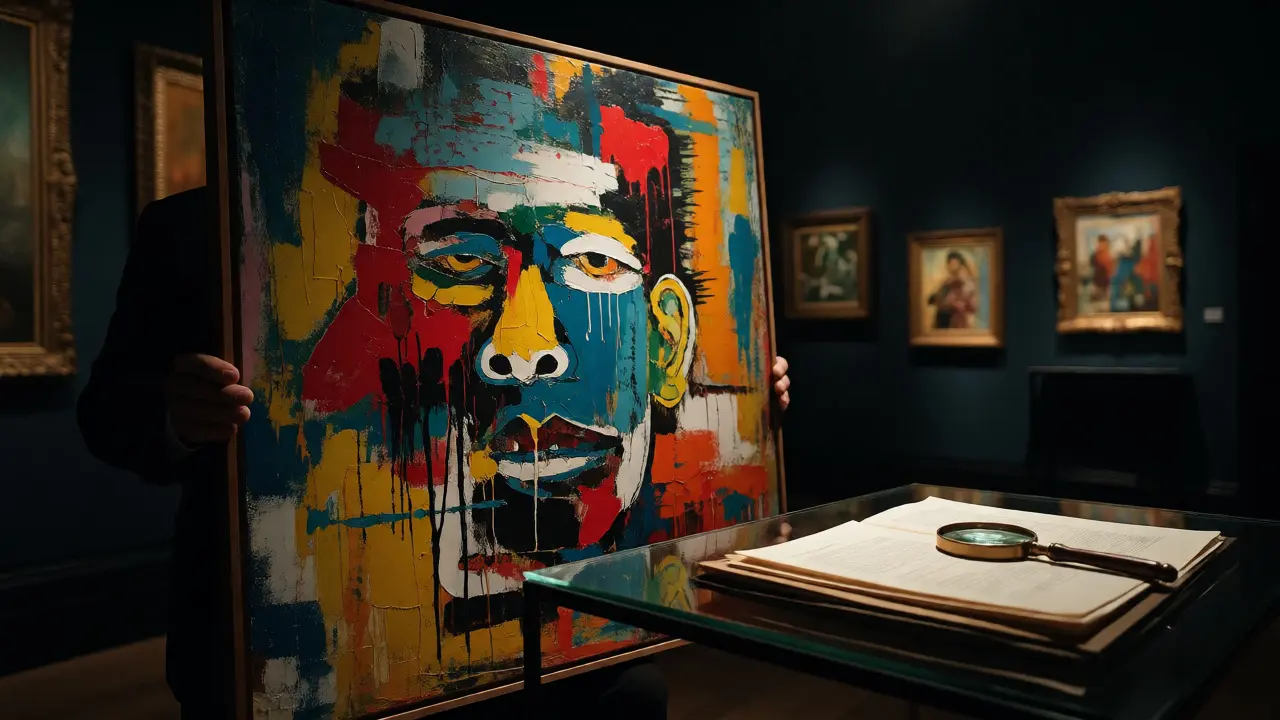
You just bought a painting that looks exactly like a Jean-Michel Basquiat. The colors are right, the brushstrokes match his late-period style, and the seller swears it came from a private collection in New York. But when you try to register it or sell it later, you hit a wall. Why? Because without a stamp of approval from the Artist Estate or its designated foundation, your "masterpiece" is legally just a high-quality print. In the modern art market, visual similarity isn't enough; institutional validation is everything.
The Gatekeepers of Legacy
Think of an artist's estate as the CEO of their brand after they pass away. It’s usually run by family members, lawyers, or appointed trustees who control how the work is presented, sold, and authenticated. For living artists, this role often falls to a dedicated Foundation established to preserve the artist's legacy and manage intellectual property. These entities hold the ultimate power: they decide what is real and what is fake.
This power dynamic creates a specific friction point for collectors. You might have a piece with impeccable provenance-receipts from the original gallery, exhibition history, even photos of the artist holding it-but if the estate refuses to authenticate it, its market value can plummet by 50% or more. Why do estates refuse? Sometimes it’s because the work doesn’t fit the narrative they want to tell about the artist. Other times, it’s simple bureaucracy. Understanding this hierarchy is the first step to navigating the authentication maze.
Distinguishing Between Estates and Foundations
While people use the terms interchangeably, there is a functional difference that affects how you get your work verified. An Artist Estate typically refers to the legal entity managing the assets and rights of a deceased artist. They focus on financial management, licensing, and sometimes authentication committees. A Artist Foundation is often a non-profit organization focused on education, exhibitions, and preserving the artistic legacy.
| Feature | Artist Estate | Artist Foundation |
|---|---|---|
| Primary Goal | Financial management & rights enforcement | Legacy preservation & public access |
| Authentication Role | Often maintains a formal registry or committee | May offer advisory opinions rather than binding certificates |
| Decision Makers | Executors, Trustees, Family Members | Board of Directors, Curators, Scholars |
| Cost Structure | Fees vary; often free for major works, costly for minor ones | Usually free, but may require donation or membership |
Knowing which entity controls the specific body of work you own is critical. For example, the Andy Warhol Foundation focuses heavily on copyright and image licensing, while the Keith Haring Foundation manages both licensing and authentication through a specific committee. Always check the official website of the artist’s primary representative before assuming who has the final say.
The Authentication Process: What Actually Happens?
So, you’ve identified the right entity. Now what? The process isn’t always straightforward. Most reputable estates and foundations follow a multi-step protocol to ensure integrity. First, they require documentation. This isn’t just a receipt; they want the full chain of custody. Who owned it? Where was it stored? Has it been restored?
- Visual Inspection: Experts compare the work against known examples, checking materials, technique, and signature consistency.
- Scientific Analysis: For high-value works, this might include pigment analysis, carbon dating, or UV light examination to detect modern repairs or overpainting.
- Registry Check: They search their internal database (the catalogue raisonné) to see if the work was previously recorded.
- Committee Review: A panel of scholars votes on whether to accept the work into the official record.
Here’s the kicker: many estates reserve the right to decline authentication without explanation. This is known as a "non-opinion." If they don’t reject it outright but also don’t certify it, the work remains in limbo. This ambiguity is where most disputes arise. To avoid this, gather every scrap of paper you have. Photos of the work in the artist’s studio are gold dust. Exhibition labels, auction records, and letters from previous owners all build a case that goes beyond just looking at the canvas.
Catalogue Raisonné: The Ultimate Source of Truth
A Catalogue Raisonné is a comprehensive, annotated listing of all known works by an artist. Think of it as the birth certificate for every piece of art. If your work is listed here, it’s considered authentic. If it’s not, you have a problem.
However, catalogues raisonnés are living documents. They get updated. A work excluded in Volume 1 might be included in Volume 3 after new evidence emerges. Some estates maintain digital versions that update in real-time, while others publish printed volumes every decade. Before you spend money on authentication fees, check the latest published volume or online database. If your work is already listed, you might only need a confirmation letter, not a full re-authentication.
Beware of outdated information. I once saw a collector pay $5,000 for an authentication opinion on a piece that had actually been de-listed from the official catalogue three years prior. The estate had changed its stance based on new scholarly research. Always verify the date of the last update to the catalogue.
Pitfalls and Red Flags in Authentication
Not all claims of authenticity are created equal. Scammers know that buyers trust stamps and signatures, so they forge those too. Here are common traps to watch out for:
- The "Estate Stamped" Myth: Just because a stamp says "Estate of [Artist]" doesn’t mean it’s valid. Fraudsters create custom rubber stamps. Verify the stamp design against known examples from the estate’s official publications.
- Third-Party Certificates: Be wary of certificates from independent appraisers or auction houses unless they are explicitly endorsed by the estate. An auction house saying "we believe this is authentic" is very different from the estate saying "this is authentic."
- Provenance Gaps: If there’s a 20-year gap in ownership history, ask why. Was the work lost? Hidden? Or stolen? Estates scrutinize these gaps heavily.
Another red flag is resistance to scientific testing. If a seller refuses to allow pigment analysis because it might damage the frame, be suspicious. Authenticators rely on material science to catch fakes that fool the eye. Modern acrylics used in a supposedly 1950s oil painting will fail under microscopic inspection.
How to Prepare Your Submission
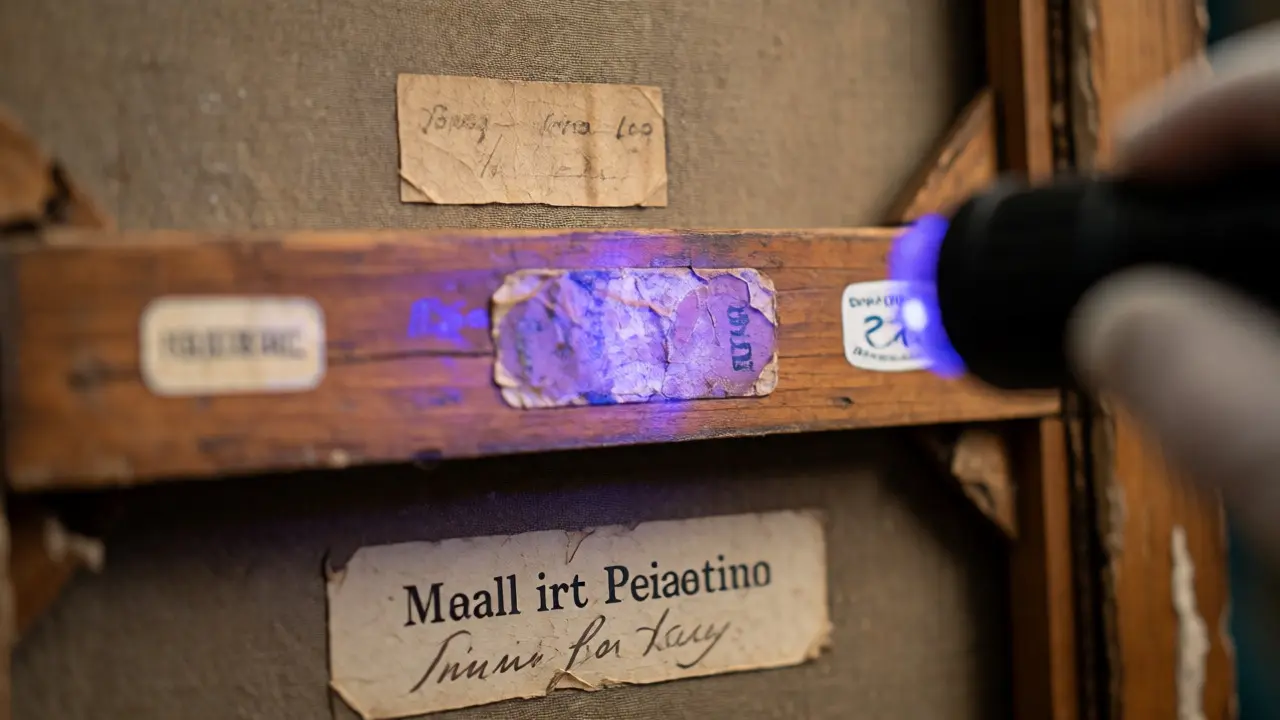
If you’re ready to submit your work, treat it like a job application. You need to make it easy for the busy board members to say yes. Start with a clean, high-resolution scan of the front and back of the artwork. Include close-ups of the signature, any inscriptions, and the backing board. Labels on the back are crucial-they often contain dealer stickers, exhibition tags, or handwritten notes by the artist.
Write a concise provenance summary. Don’t dump 50 pages of emails. Create a timeline: Date, Owner, Location, Event. For example: "1985: Purchased from Leo Castelli Gallery, NY; Receipt attached. 1990: Exhibited at MoMA PS1; Label attached." This clarity shows respect for their time and increases your chances of a positive review.
Finally, budget for rejection. Some estates charge a non-refundable fee for reviewing submissions, ranging from $500 to $5,000 depending on the artist’s prominence. If they reject it, you lose the fee, and the work’s value drops. Weigh the cost against the potential upside. Is it worth risking $2,000 to potentially gain $50,000 in value? Run the numbers before you mail the package.
The Future of Digital Verification
The landscape is shifting. Blockchain technology and NFTs are introducing new ways to track ownership and authenticity. Some newer foundations are experimenting with digital twins-unique digital records linked to physical artworks via QR codes or NFC chips. This reduces fraud and speeds up the authentication process.
However, tech hasn’t replaced human judgment yet. A blockchain entry proves ownership transfer, but it doesn’t prove the artist actually painted the thing. Human experts still need to validate the physical object. As we move into 2026, expect hybrid models where traditional estates partner with tech platforms to streamline the workflow. Keep an eye on announcements from major estates like Picasso Administration or the Roy Lichtenstein Foundation, as they often pilot these changes first.
Do all artist estates offer authentication services?
No. Many estates have stopped offering authentication entirely due to liability concerns and the sheer volume of requests. Others only authenticate works they have already registered. Always check the current policy on the official estate website before submitting.
What happens if my artwork is rejected by the estate?
The work is typically deemed "not authentic" or "unverified." Its market value will likely decrease significantly, as serious buyers and auction houses require estate approval. You may still sell it, but it will trade at a discount compared to authenticated pieces.
Can I appeal an authentication decision?
It depends on the specific estate’s bylaws. Some allow appeals if new evidence surfaces, such as newly discovered correspondence or scientific data. However, most decisions are final to prevent endless litigation. Consult the submission guidelines carefully.
Is a certificate from an auction house enough?
Generally, no. Auction houses provide their opinion of authenticity, but this is not the same as an estate certification. While helpful for context, it does not carry the same weight in resale negotiations or insurance claims as a direct endorsement from the artist’s estate or foundation.
How long does the authentication process take?
Timelines vary widely. Simple cases might take 3-6 months, while complex reviews involving scientific testing can take 1-2 years. Backlogs are common, especially for popular artists like Warhol or Banksy. Patience is required.