Artist Contract Renewals: When to Review, Renegotiate, or Release
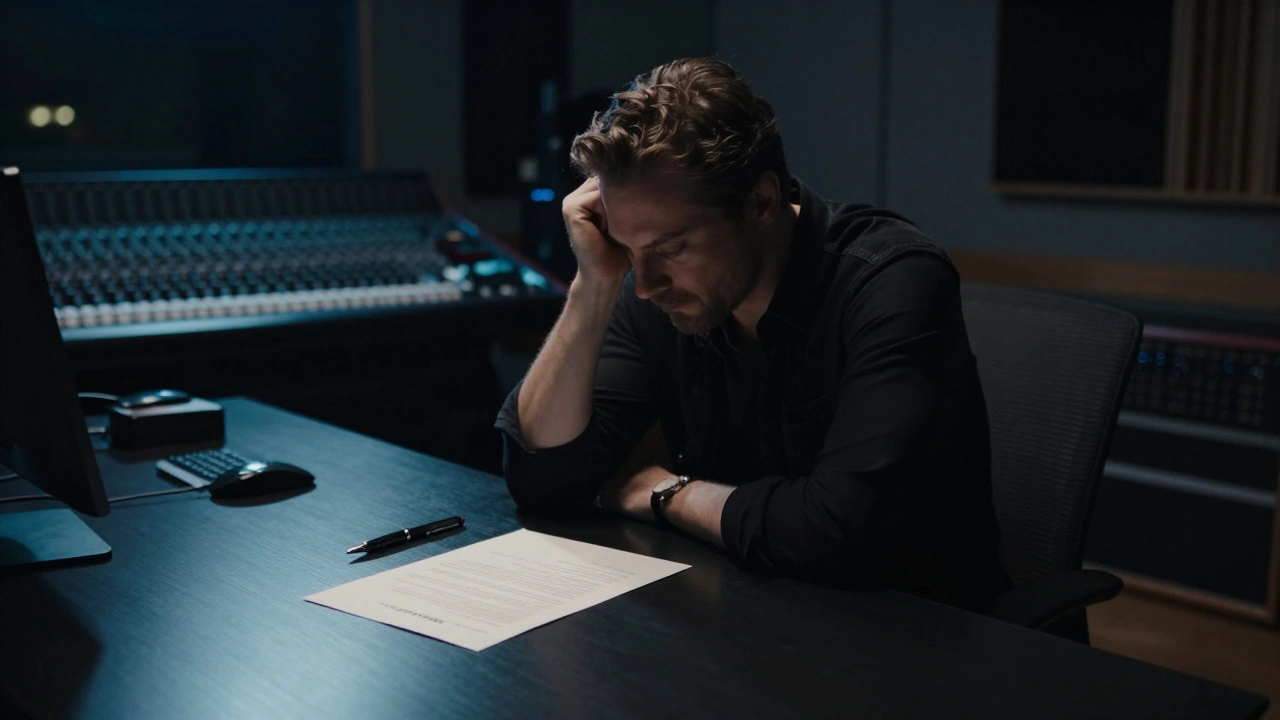
Imagine you’ve spent three years building a career with a label. The album dropped, the tour sold out, and now your recording agreement is up for renewal. Do you sign the extension? Walk away? Or try to fix the deal that’s been holding you back?
This moment defines careers. For many musicians, the decision between reviewing, renegotiating, or releasing their contract comes down to one thing: leverage. If you don’t have data on your streaming numbers, sync placements, and touring revenue, you’re guessing. And in negotiations, guessing costs money.
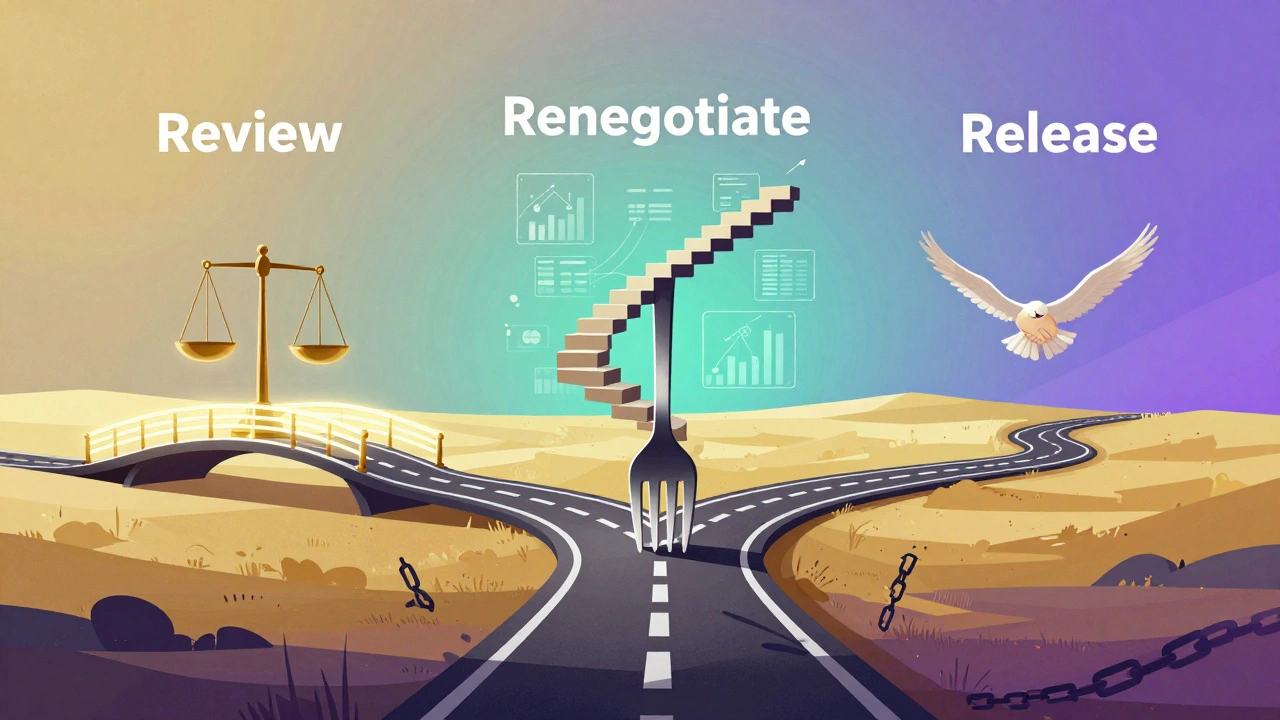
The Three Paths Forward
When your artist contract nears its end date, you generally face three options. Each path requires a different strategy, timeline, and mindset.
- Review: You accept the current terms but audit performance metrics to ensure compliance. This works if the relationship is healthy and royalties are paid on time.
- Renegotiate: You use new data-streaming growth, brand deals, social media reach-to demand better royalty rates, ownership of masters, or shorter commitment periods.
- Release: You exit the contract entirely. This might mean buying out remaining obligations or waiting for natural expiration. It’s risky but frees you from restrictive clauses.
Choosing the wrong path can cost millions over a decade. Let’s break down how to evaluate each option without emotional bias.
Why Most Artists Fail at Contract Renewals
I’ve seen talented performers lose control of their catalogs because they didn’t understand contract renewal clauses. The biggest mistake? Assuming past success guarantees future leverage.
Labels often present renewal offers during quiet periods when artists aren’t actively touring or releasing music. They know fatigue sets in. You want stability. They offer it-with strings attached.
Common pitfalls include:
- Ignoring cross-collateralization clauses that let labels offset losses from failed albums against your hits
- Accepting automatic extensions tied to unmet creative deliverables
- Failing to negotiate reversion rights for unused recordings
These aren’t minor details. They determine who owns your life’s work.
Data-Driven Decision Making
Before picking a path, gather hard numbers. Your royalty statements should show:
- Total streams across platforms (Spotify, Apple Music, YouTube)
- Licensing income from TV, film, and commercials
- Touring revenue split vs. label recoupment status
- Social media engagement metrics correlated with sales spikes
If your streams grew 300% since signing but your royalty rate stayed flat, you have ammunition for renegotiation. If the label hasn’t promoted your last two releases despite contractual obligations, you may qualify for early release under breach-of-contract provisions.
Work with an entertainment attorney who specializes in music law. Don’t rely on general business lawyers. Music contracts contain industry-specific language that only specialists fully grasp.
Renegotiation Tactics That Work
When entering negotiations, frame everything around mutual benefit. Labels care about long-term value. Show them how keeping you happy increases their ROI.
Effective tactics include:
- Royalty Rate Increases: Push for higher percentages based on verified growth. Aim for 15-25% net receipts instead of standard 10-15%.
- Master Ownership Reversion: Negotiate for partial or full ownership after X years or Y units sold. Many indie labels now offer this as standard.
- Creative Control Clauses: Secure approval rights over artwork, singles selection, and marketing budgets.
- Term Reduction: Shorten commitments from 5+ years to 2-3 year cycles with performance-based extensions.
Avoid ultimatums unless you’re prepared to walk away. Instead, present alternatives. “We can extend for another album cycle, but we need revised royalty tiers.”
| Option | Best For | Risk Level | Time Required |
|---|---|---|---|
| Review Only | Stable relationships with fair terms | Low | 2-4 weeks |
| Renegotiate | Growing artists seeking better terms | Medium | 6-12 weeks |
| Release | Toxic partnerships or expired opportunities | High | 3-6 months |
When Walking Away Makes Sense
Not every relationship deserves renewal. Sometimes letting go is the smartest move. Consider exiting if:
- The label consistently misses promotional deadlines
- You’re owed significant unpaid advances or royalties
- Creative differences prevent authentic expression
- New independent distribution tools reduce dependency on major infrastructure
In 2025, services like DistroKid, TuneCore, and CD Baby allow artists to self-distribute globally while retaining 85-90% of revenues. Combined with direct-to-fan platforms like Patreon and Bandcamp, many musicians no longer need traditional label support.
However, be cautious about breaching contracts prematurely. Liquidated damages clauses can impose heavy penalties. Always consult counsel before terminating agreements.

Building Long-Term Career Sustainability
Your next chapter depends on strategic choices made today. Whether you stay, change terms, or leave, focus on these principles:
- Document Everything: Keep records of communications, deliveries, and payments. Disputes arise more often than you think.
- Diversify Income Streams: Rely less on recorded music alone. Sync licensing, merchandise, live performances, and teaching create resilience.
- Invest in Legal Expertise: Spend wisely on attorneys who understand both creative and financial aspects of your career.
- Maintain Relationships: Even if you part ways professionally, preserve goodwill. Industry circles are smaller than they appear.
Success isn’t just about hitting number one-it’s about sustaining relevance over decades. Smart contract decisions lay the foundation for lasting impact.
Final Thoughts on Navigating Change
Every artist faces this crossroads eventually. Some choose comfort; others choose freedom. Neither choice is inherently right or wrong-but informed choices lead to better outcomes.
Take stock of where you stand financially, creatively, and emotionally. Use objective data rather than nostalgia or fear to guide your next steps. The music industry evolves rapidly. Adaptability separates those who thrive from those who merely survive.
Remember: your art belongs to you. Contracts shape how others access it-but never forget who holds the ultimate power.
What happens if I don't renew my artist contract?
If you decline renewal, your existing agreement expires according to its stated term. You retain rights to any unreleased material unless otherwise specified. However, previously released content typically remains under the label’s control per original licensing terms.
Can I renegotiate my royalty rate mid-contract?
Mid-contract renegotiations are rare but possible if both parties agree. Usually, changes require formal amendments signed by all involved. Labels rarely adjust rates upward without significant new leverage from the artist.
How do I verify my royalty calculations?
Request detailed accounting reports quarterly. Cross-reference platform analytics (like Spotify for Artists) with label-provided figures. Hire an independent auditor annually if discrepancies exceed 5%. Transparency protects your earnings.
Is it worth hiring an entertainment lawyer for contract reviews?
Absolutely. Entertainment lawyers specialize in music industry nuances including cross-collateralization, moral rights, and mechanical licenses. Their fees usually pay for themselves through avoided pitfalls and improved negotiation positions.
What's the difference between exclusive and non-exclusive contracts?
Exclusive contracts grant sole representation rights to one entity, limiting your ability to partner elsewhere during the term. Non-exclusive arrangements let you work with multiple entities simultaneously, offering flexibility but potentially weaker commitment levels.