Art Storage Booms: Inside the World of Freeports and Private Vaults
The High-Stakes Logic of the Freeport
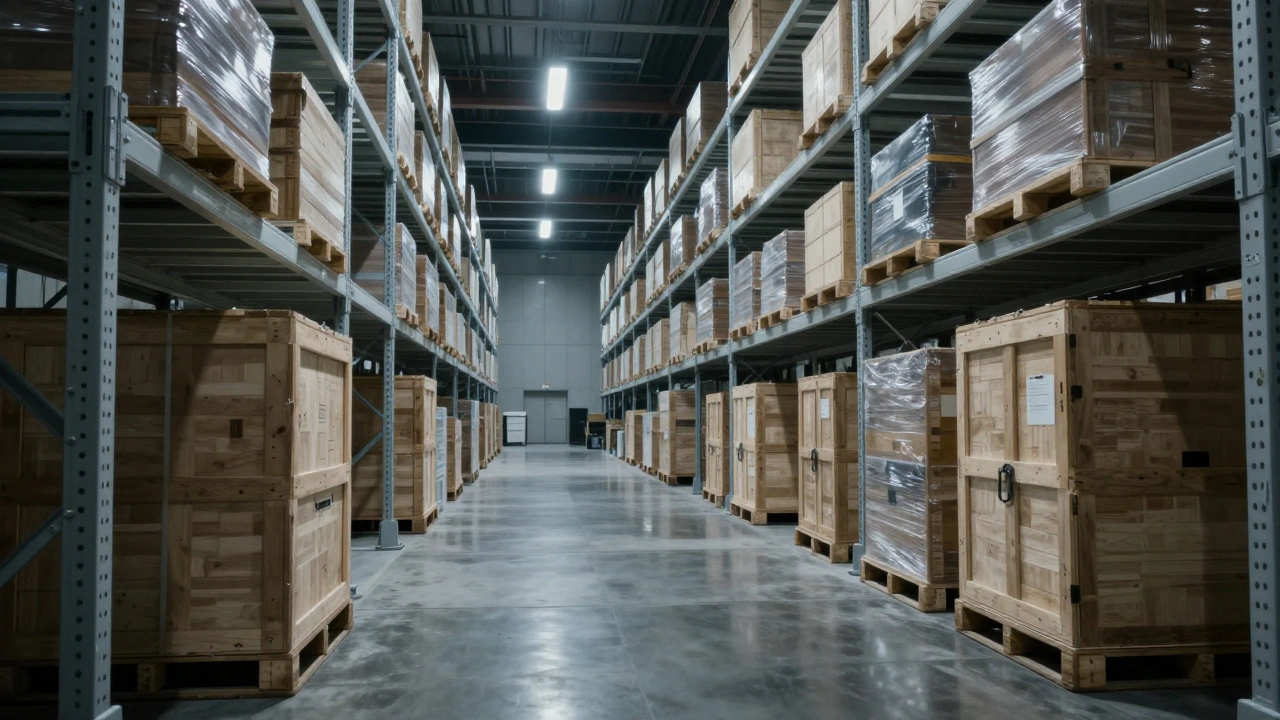
Why would anyone buy a painting and then hide it in a bunker? It comes down to liquidity and legality. When a piece of art is stored in a freeport, it exists in a legal gray zone. Since the art hasn't officially 'entered' the country, the owner doesn't pay the Value Added Tax (VAT), which in some European countries can be as high as 20%. If a collector buys a piece for $50 million, avoiding a 20% tax saves them $10 million instantly. These facilities act as hubs for the Global Art Market, where ownership of a painting can change hands multiple times without the art ever moving an inch. A digital bill of sale is signed, the money moves through a bank in Switzerland, and the painting stays in the same climate-controlled crate. It turns art into a portable, invisible asset, similar to gold bars in a bank vault.How Private Vaults Differ from Freeports
While freeports are about customs and tax evasion, Private Vaults are more about absolute control and legacy. Private vaults are typically owned by the collector or managed by a high-end security firm. Unlike the communal nature of a freeport-where you rent a unit in a massive complex-a private vault is often a custom-built fortress with biometric scanners, seismic sensors, and independent air filtration systems.| Feature | Freeports | Private Vaults |
|---|---|---|
| Primary Goal | Tax Deferral / Customs Avoidance | Maximum Security / Privacy |
| Legal Status | Extra-territorial / Customs-free | Standard Private Property |
| Accessibility | Strictly Regulated / Scheduled | Owner's Discretion |
| Typical Location | Airports or Special Economic Zones | Private Estates or Urban Bunkers |
The Logistics of Preservation
Storing a painting isn't as simple as putting it in a room. Art is fragile. Humidity that is too high leads to mold; too low, and the paint cracks. Most top-tier facilities utilize Climate Control Systems that maintain a constant temperature of 21°C (70°F) and a relative humidity of 50%. Then there is the issue of lighting. UV rays are the enemy of pigments. In these vaults, lights are only turned on when a curator or owner is present, and even then, they use specialized LED lighting that doesn't emit heat or harmful rays. The air is filtered through HEPA systems to remove microscopic pollutants that could corrode a sculpture or stain a canvas over a twenty-year period.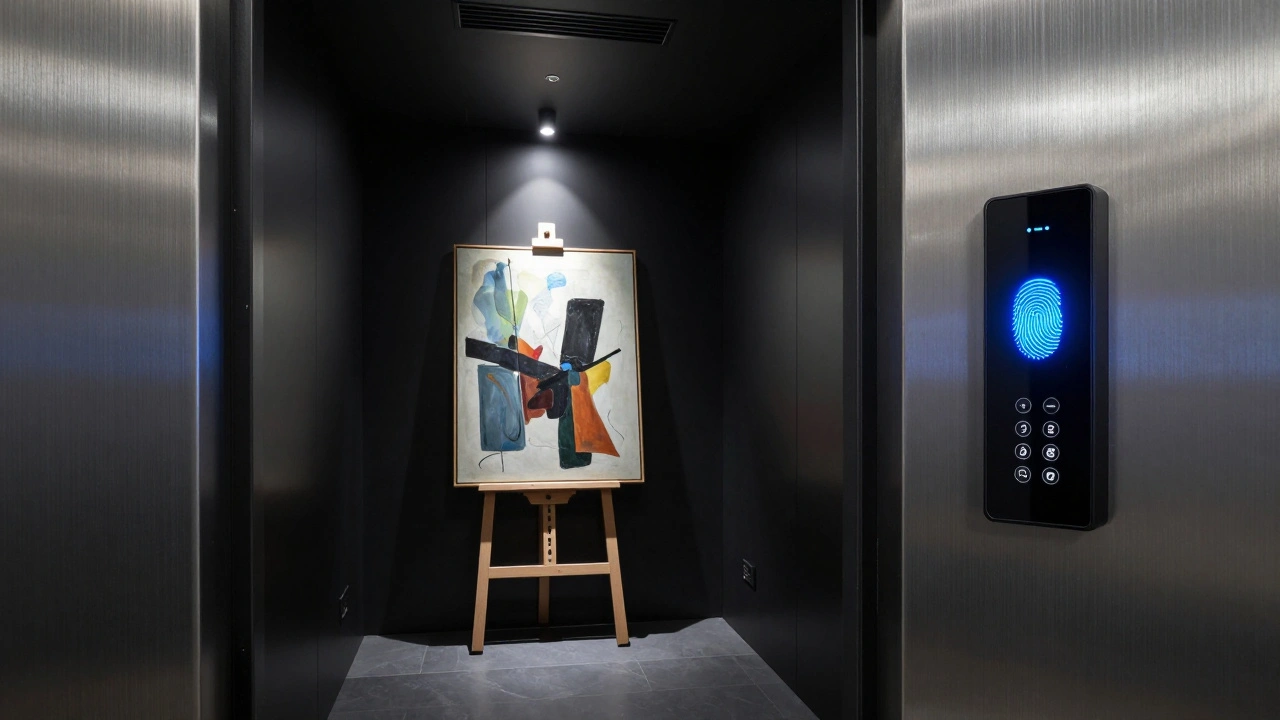
The Shadow Economy and the Problem of Opacity
There is a darker side to this boom. Because freeports are often shielded from the prying eyes of national regulators, they have become hotspots for money laundering. In the past, the Geneva Free Ports were notorious for holding looted art or works bought with illicit funds, simply because the authorities didn't have the legal right to enter and inventory the crates without a specific court order. This lack of transparency creates a bubble. When we talk about the "market value" of an artist, we are usually looking at auction results. But if 30% of an artist's total output is locked away in a vault in Luxembourg or Singapore, the public market is skewed. We are seeing a shrinking supply of available works, which naturally drives up the prices of the few pieces that actually make it to a gallery wall.The Shift Toward Digital Provenance
To combat the secrecy of the vault era, the industry is moving toward Blockchain Technology for tracking provenance. In the old days, a paper certificate of authenticity was all you had-and papers can be forged. Today, many storage facilities are implementing digital passports for art. Every time a piece moves from a vault to a loan for a museum, or is sold to a new owner while remaining in the freeport, a digital token is updated. This creates an immutable trail of ownership. It doesn't remove the tax benefits, but it makes it much harder for criminals to hide the origin of the funds used to purchase the art.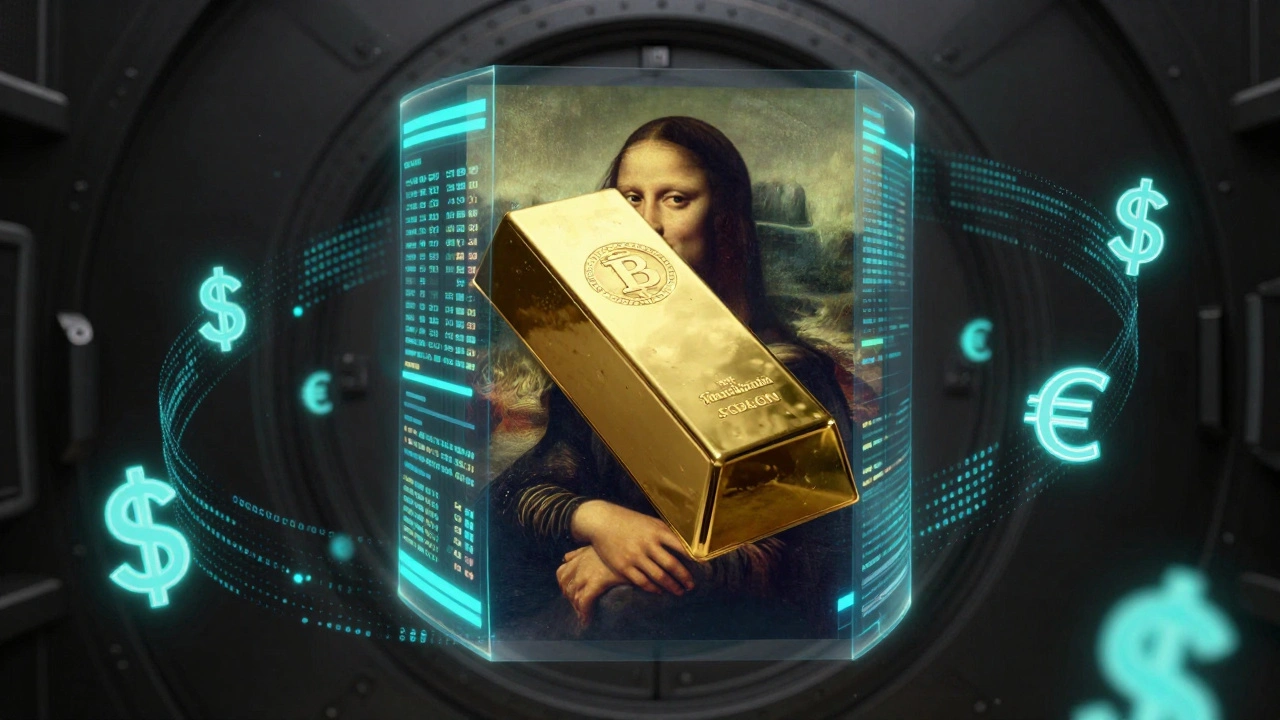
The Psychological Toll of the Invisible Collection
There is a weird irony in the current trend. Art is meant to be experienced, to evoke emotion and provoke thought. Yet, the biggest growth in the art world is in facilities where the art is never seen. This represents a shift in the definition of a "collector." The modern elite are less like patrons of the arts and more like hedge fund managers. For them, a Rothko isn't a painting; it's a Store of Value, much like a gold bar or a piece of real estate. When art is treated as a financial asset, the physical object becomes a liability. It can be stolen, burned, or damaged. By placing it in a high-tech vault, the owner eliminates the risk. They no longer worry about a leaky roof or a clumsy houseguest; they only care about the price index. This "financialization" of art is what is truly driving the boom in storage.Future Trends: The Rise of the Asian Hubs
For decades, Switzerland and Luxembourg held the monopoly on freeports. However, we are seeing a massive shift toward Asia. Singapore has become a global powerhouse in this sector, blending its status as a financial hub with state-of-the-art storage infrastructure. The Singapore FreePort is specifically designed to cater to the new generation of billionaires in China and Southeast Asia who want to keep their assets close to home but outside the reach of immediate domestic taxation. We can expect this trend to accelerate. As more wealth migrates east and the global political climate becomes more volatile, the demand for "safe havens"-both literal and fiscal-will only grow. The warehouse is the new gallery.Do I need to be a billionaire to use a freeport?
While most freeports cater to the ultra-high-net-worth individuals, some have tiered pricing. However, the administrative costs and the minimum insurance requirements usually make it impractical for anyone owning art valued under a few hundred thousand dollars.
Is it legal to store art in a freeport to avoid taxes?
Yes, it is legal. Freeports operate under the laws of the host country's customs agency. You aren't "evading" taxes in the criminal sense; you are "deferring" them. You only pay the import tax if you decide to move the art out of the freeport and into your home or a public gallery.
What happens if the freeport is robbed?
Freeports have security that rivals central banks, including armed guards, biometric access, and 24/7 surveillance. Despite this, art is always insured. The insurance premiums are usually high and are based on the appraised value of the work, which must be updated regularly.
Can I visit my art if it's in a vault?
Absolutely. Most facilities have private viewing rooms. You can request your piece be moved from the storage crate to a secure, well-lit room where you can examine it or show it to a potential buyer. You just can't take it out of the facility without clearing customs.
Why are these facilities called 'freeports'?
The name comes from the concept of a 'free port' or 'free trade zone.' These are designated areas where goods can be landed, handled, and manufactured without being subject to the customs regulations of the surrounding country.