Art Market Predictions 2026: Key Trends and Forecasts
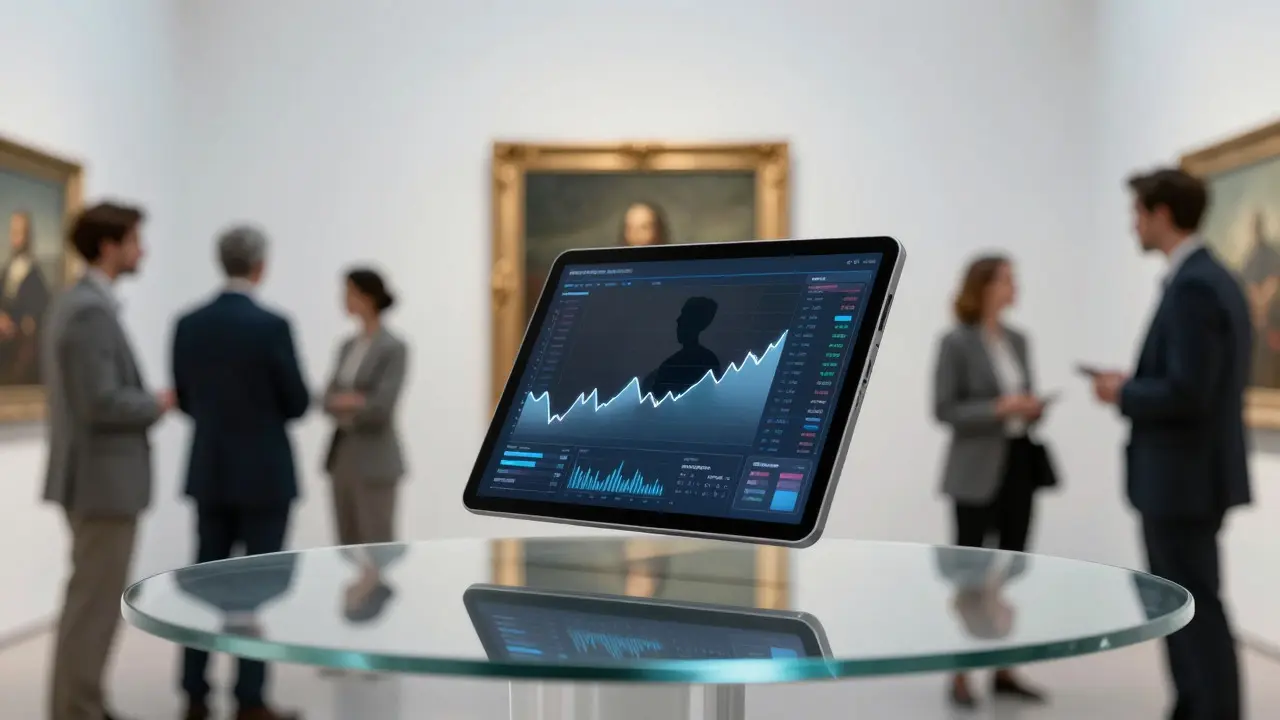
The art market isn't just about pretty pictures anymore; it's a high-stakes financial arena where art market predictions can make or break a portfolio. As we move through mid-2026, the landscape has shifted dramatically from the speculative frenzy of the early 2020s to a more mature, data-driven ecosystem. Collectors are no longer buying on gut feeling alone-they're looking at liquidity metrics, provenance chains, and macroeconomic indicators. If you're holding blue-chip works or eyeing emerging talent, understanding where the money is flowing next is critical.
Key Takeaways
- Digital Art has stabilized, with established artists commanding premium prices while generic NFTs have lost significant value.
- The correlation between Luxury Goods and fine art remains strong, meaning economic downturns will likely suppress both sectors simultaneously.
- Physical galleries are pivoting to hybrid models, using virtual showrooms to reach global buyers without the overhead of physical space.
- Estate planning and tax efficiency are now primary drivers for high-net-worth collectors, influencing which assets they choose to hold long-term.
- Data analytics firms are becoming essential partners for auction houses, providing real-time valuation tools that reduce price volatility.
The Shift from Speculation to Stability
In 2021, the entry of tech billionaires into the NFT Market created a bubble that burst by late 2022. Today, in 2026, the dust has settled. The remaining players are serious institutions and seasoned collectors who view digital assets as part of a diversified portfolio, not a get-rich-quick scheme. This maturation is evident in the pricing structures. We are seeing fewer 'moonshots' and more consistent appreciation rates among top-tier digital artists like Beeple and Pak, whose works now trade alongside traditional contemporary masters.
This stability is also visible in the secondary market. Auction houses like Sotheby's and Christie's have reported tighter spreads between hammer prices and final sales, indicating less uncertainty among bidders. The 'winner takes all' dynamic of the previous decade is giving way to a broader distribution of value. Mid-market artists, previously ignored by major auctions, are finding robust support in online platforms that offer lower commission rates and wider global reach.
Digital Art and the Blockchain Factor
Blockchain Technology is no longer a novelty in the art world; it's infrastructure. The integration of non-fungible tokens (NFTs) has solved two major problems for collectors: provenance and royalties. Unlike traditional paintings, where tracking ownership history can be difficult and artist resale rights are often ignored, blockchain provides an immutable record of every transaction. This transparency has increased buyer confidence, particularly among younger demographics who grew up in the digital age.
However, the technology is evolving. We are seeing a shift from Ethereum-based standards to Layer 2 solutions and alternative blockchains that offer lower transaction fees and faster settlement times. This technical improvement makes trading smaller-value digital artworks more practical, expanding the market beyond just ultra-high-end pieces. For investors, this means liquidity is improving. You can buy and sell digital assets more easily than ever before, reducing the friction that historically kept art locked in vaults or private collections.
Luxury Correlations and Economic Indicators
Art doesn't exist in a vacuum. It moves in tandem with other discretionary spending categories, particularly Luxury Goods. Data from recent years shows a strong positive correlation between the performance of the MSCI World Luxury Index and the Mei Moses Fine Art Price Index. When consumer confidence drops, people tend to hold onto cash rather than spend on non-essential items like handbags or abstract canvases.
For 2026, analysts are watching inflation rates and interest rate policies closely. High interest rates make borrowing expensive, which discourages leveraged purchases common in the art world. Conversely, if central banks begin to ease monetary policy, we could see a resurgence in bidding wars. The key takeaway here is that art is a hedge against inflation, but only when the broader economy is stable. In volatile periods, cash becomes king, and art prices soften.
| Metric | Traditional Physical Art | Digital/NFT Art |
|---|---|---|
| Average Annual Return | 8-12% | 10-15% (High Variance) |
| Liquidity Score | Low (Months to sell) | Medium-High (Days to weeks) |
| Storage Costs | High (Climate control, insurance) | Negligible (Wallet storage) |
| Provenance Transparency | Variable (Paper trails) | High (On-chain records) |
| Entry Barrier | Very High ($100k+) | Low ($100-$10k) |
The Rise of Data-Driven Valuation
Gone are the days when a gallery owner’s intuition was the sole determinant of an artwork’s price. Today, Art Analytics firms use machine learning algorithms to predict price movements based on historical sales data, artist social media engagement, and even weather patterns in key markets. These tools provide collectors with a 'fair value' estimate, reducing the information asymmetry that used to favor sellers.
This technological shift is empowering individual collectors. Previously, you needed access to exclusive insider circles to know what was selling well. Now, open-source databases and subscription-based analytics platforms provide near-real-time data on global sales. This democratization of information means that new entrants can make informed decisions without relying solely on gatekeepers. However, it also means that prices adjust faster. If a new piece sells for a premium, the market reacts almost immediately, compressing the window for arbitrage opportunities.
Global Market Dynamics and Emerging Hubs
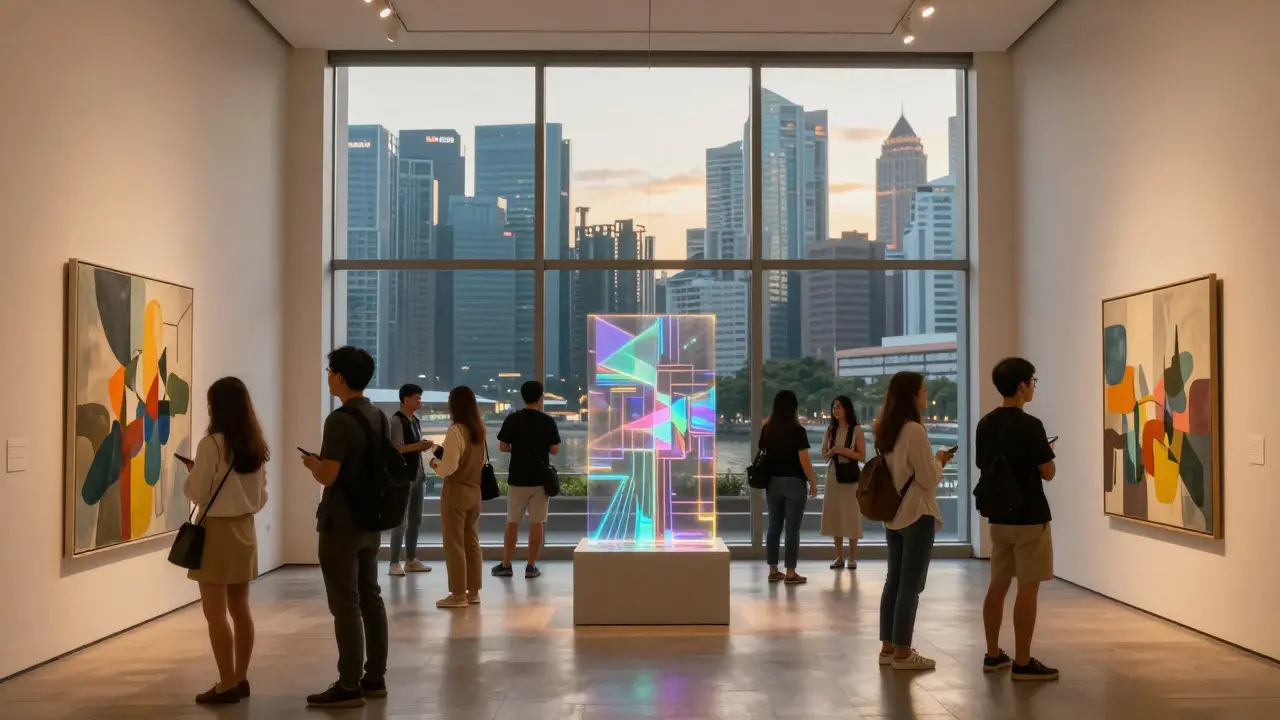
While New York and London remain the dominant hubs, the center of gravity is shifting. Asia, particularly Singapore and Shanghai, is capturing a larger share of the global art market. Wealthy Asian collectors are increasingly buying Western contemporary art, driving up prices for specific artists and styles. Simultaneously, local Asian artists are gaining international recognition, creating a two-way flow of capital and cultural influence.
Europe is also seeing a renaissance in certain cities like Paris and Berlin, driven by a younger, tech-savvy collector base that prefers direct-to-consumer models over traditional auctions. These regions are experimenting with new business models, such as fractional ownership platforms that allow multiple investors to own a single high-value work. This trend is particularly popular in corporate gifting and employee benefit programs, further broadening the investor base beyond the ultra-wealthy.
Strategic Advice for Collectors in 2026
If you're considering adding art to your portfolio this year, focus on diversification. Don't put all your eggs in one basket-whether that's one artist, one medium, or one geographic region. Mix physical and digital assets to balance liquidity needs with long-term growth potential. Pay attention to the 'story' behind the work. In a saturated market, narrative drives demand. Artists who connect with current social or environmental issues tend to retain value better during economic downturns because their work resonates emotionally, not just financially.
Finally, think about exit strategies before you buy. Know how you plan to sell the piece. Will it go to auction? Can it be resold privately? Is there a secondary market for that specific type of work? Understanding the path to liquidity ensures that your art collection remains an asset, not a liability, when you need to liquidate.
Is digital art a safe investment in 2026?
Digital art is safer than it was in 2021 due to improved infrastructure and institutional adoption. However, it still carries higher volatility than traditional blue-chip art. It is best suited for investors who can tolerate short-term price swings and understand the technical aspects of blockchain storage.
How does inflation affect art prices?
Art generally acts as a hedge against inflation over the long term. However, in the short term, high inflation can reduce disposable income for wealthy buyers, leading to temporary price softness. Once inflation stabilizes, art prices typically recover and continue their upward trend.
What is the role of AI in art market predictions?
AI analyzes vast amounts of historical sales data, social media sentiment, and macroeconomic indicators to forecast price movements. It helps identify undervalued artists and predicts demand shifts more accurately than human intuition alone, though it should be used as a tool rather than a crystal ball.
Should I invest in emerging artists or established names?
A balanced approach is recommended. Established names provide stability and lower risk, while emerging artists offer higher potential returns but come with greater uncertainty. A common strategy is to allocate 70% of your budget to established artists and 30% to emerging talent with strong gallery representation.
How do taxes impact art collecting?
Taxes vary by jurisdiction but generally include capital gains taxes upon sale and potential estate taxes if held until death. Some countries offer incentives for donating art to museums or public collections. Consulting with a tax specialist who understands art assets is crucial for optimizing your net return.