Art Insurance Proof of Ownership: The Complete Documentation Guide
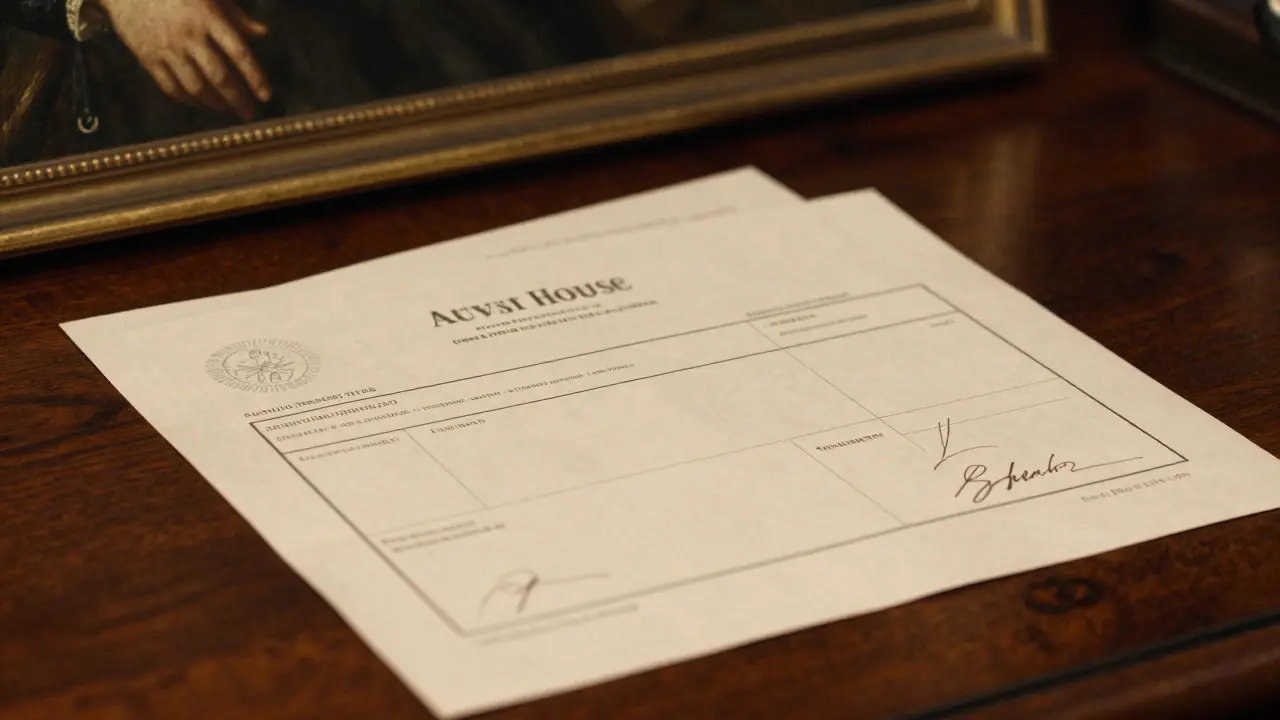
Imagine your favorite painting gets damaged in transit. You file a claim, but the insurer asks for one thing you didn't think to prepare: legal proof that the piece is actually yours. Without solid proof of ownership, even a masterpiece might not be covered. This guide walks you through exactly what documents insurers need, why they matter, and how to build a bulletproof file before something goes wrong.
Why Insurers Care About Provenance
Provenance is the documented history of an artwork's ownership, location, and authenticity from creation to present day. For an underwriter, this isn't just trivia-it’s risk assessment. A clear chain of title reduces the chance of theft, forgery, or duplicate claims. If you bought a piece at auction, your receipt proves purchase. But if it was a gift, a family heirloom, or part of an estate settlement, the paperwork trail often has gaps. Insurers want to see unbroken links between each owner. Missing links don’t automatically void coverage, but they slow down claims processing and can lead to disputes over valuation.
The Core Documents You Need
You don’t need a museum archive, but you do need specific, verifiable records. Here are the non-negotiables:
- Purchase Receipts or Invoices: Show the date, seller, buyer, price, and description of the work. Auction house invoices are particularly strong because they include lot numbers and catalog references.
- Certificate of Authenticity (CoA): Issued by the artist, their studio, or a recognized dealer. For living artists, a signed letter on studio letterhead works best. For deceased artists, look for CoAs from established galleries or experts.
- Appraisal Reports: A recent professional appraisal confirms current market value and condition. Most insurers require appraisals no older than three years for high-value pieces.
- Shipping and Installation Records: Bills from fine art movers show where the piece was stored and transported. This helps establish location during a loss event.
- Gift Deeds or Estate Documents: If the art wasn't bought, a notarized gift deed or probate court order establishes legal transfer of ownership.
Digital vs. Physical Evidence
Many collectors keep everything in a cloud folder. That’s convenient, but insurers still prefer physical copies for high-stakes claims. Why? Digital files can be altered. A scanned invoice looks different from the original paper with its ink texture and stamps. Keep both. Store originals in a fireproof safe or bank vault, and maintain high-resolution scans in two separate digital locations-like an encrypted external drive and a secure cloud service. Label every file clearly with the artist’s name, title, year, and acquisition date. When you submit a claim, you’ll want to send these files within 24 hours. Delays raise red flags.
Building Your Chain of Title
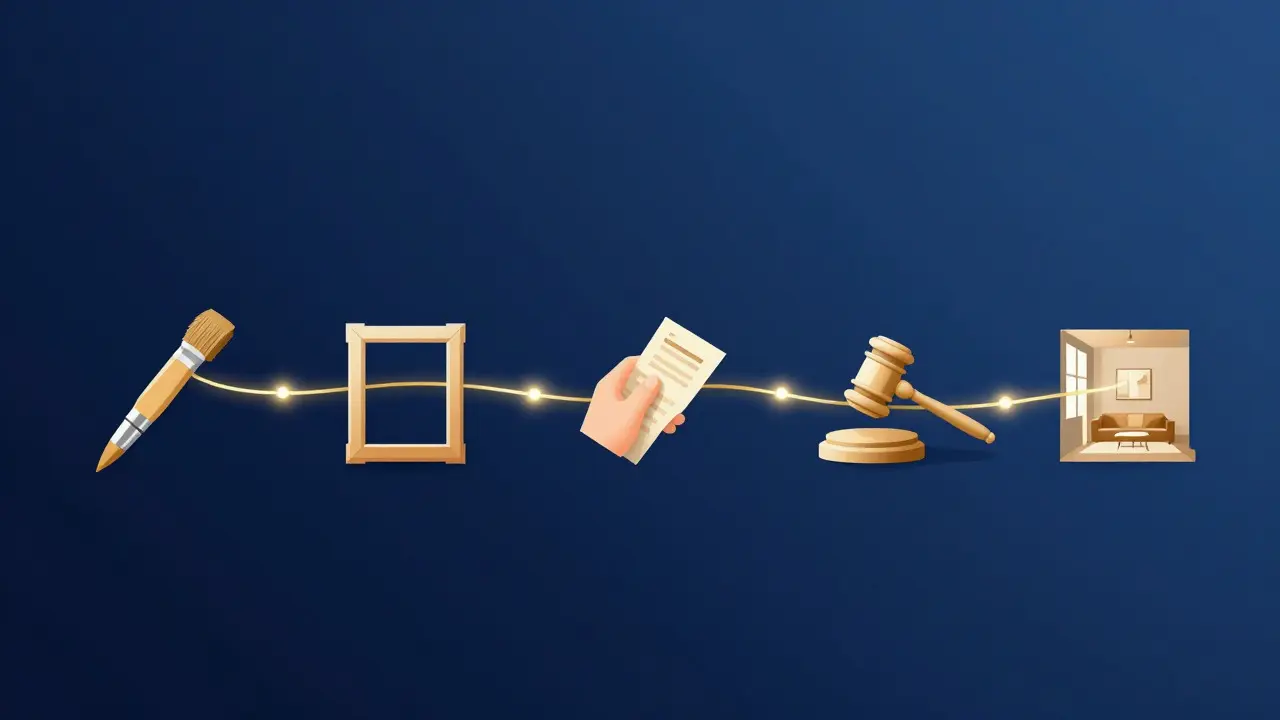
A chain of title is a chronological list of every person who owned the artwork. It starts with the artist and ends with you. Each entry should include the owner’s name, dates of ownership, and how the transfer happened (sale, gift, inheritance). For example:
- Artist creates work in 1985.
- Sold to Gallery X in 1986 (Invoice #123).
- Purchased by Collector Y in 1990 (Receipt attached).
- Inherited by Collector Z in 2010 (Probate Court Order #456).
- Current owner acquired in 2020 (Purchase Agreement).
If any step is missing, note it honestly. “Ownership prior to 1990 unknown” is better than guessing. Insurers respect transparency more than perfection. Gaps are common, especially with older works, but they shouldn’t stop you from insuring the piece.
Common Pitfalls to Avoid
Most claim denials aren’t about missing art-they’re about missing paperwork. Here are the traps that catch collectors off guard:
- Vague Descriptions: Writing “blue abstract painting” instead of “Untitled (Blue), Oil on Canvas, 40x60 inches, 2015” makes identification hard. Use exact titles, dimensions, medium, and year.
- Expired Appraisals: An appraisal from five years ago reflects old market values. If the art market has shifted, your coverage limit might be too low or too high. Update appraisals every three years for pieces worth $50,000+.
- Misplaced Receipts: If you lost the original invoice, contact the seller immediately. Many dealers keep records for decades. Auction houses also provide reprints upon request.
- Ignoring Condition Reports: Photos alone aren’t enough. A written condition report from a conservator documents pre-existing damage. This prevents insurers from denying claims based on “prior wear.”
How to Organize Your Art Insurance File
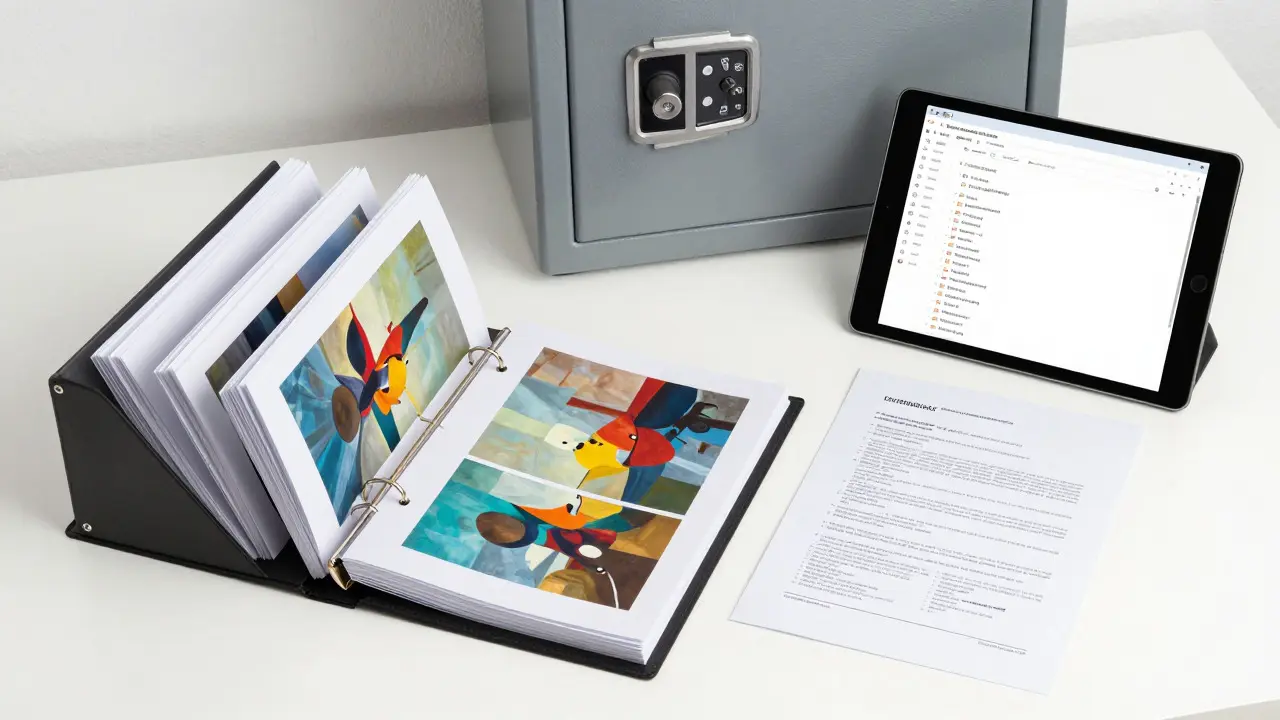
Create a dedicated binder or digital folder for each significant piece. Inside, include:
- Cover sheet with basic info: Artist, Title, Year, Medium, Dimensions, Value, Location.
- High-quality photos: Front, back, signature, label, and close-ups of details.
- All documents listed above, arranged chronologically.
- Contact information for the appraiser, dealer, and insurer.
Review this file annually. Add new receipts, update appraisals, and check that your policy limits match current valuations. If you move the art, update the storage location in your file and notify your insurer. Some policies restrict coverage if the art is moved without approval.
When to Hire a Professional
For collections worth over $100,000, consider hiring an art specialist or independent appraiser. They can verify provenance, identify gaps, and write reports that insurers trust. Look for professionals certified by organizations like the American Society of Appraisers (ASA) or the International Society of Appraisers (ISA). Their reports carry weight because they follow standardized methodologies. Don’t rely solely on dealer estimates-those are sales tools, not neutral assessments.
Do I need a Certificate of Authenticity for every piece?
Not always, but it’s highly recommended for pieces over $10,000. For lesser works, a detailed purchase receipt and photo may suffice. However, a CoA strengthens your case if authenticity is ever questioned.
How old can my appraisal be?
Most insurers accept appraisals up to three years old for standard policies. For high-value or volatile markets, some require annual updates. Check your policy terms or ask your agent directly.
What if I inherited art without paperwork?
Start with the probate court order. If that’s missing, gather any letters, emails, or witness statements from the previous owner. Then hire an appraiser to document the piece’s current state and estimated value. Transparency helps.
Does location affect my proof of ownership?
Yes. If your art is stored off-site, keep records of the storage facility contract and any access logs. Insurers need to know where the asset is at all times to assess risk accurately.
Can I insure art without a formal appraisal?
You can, but you’ll likely face higher premiums or lower coverage limits. Insurers use appraisals to set accurate values. Without one, they may estimate conservatively, leaving you underinsured if a loss occurs.