Art Insurance Deductibles: A Practical Guide to Choosing the Right Amount
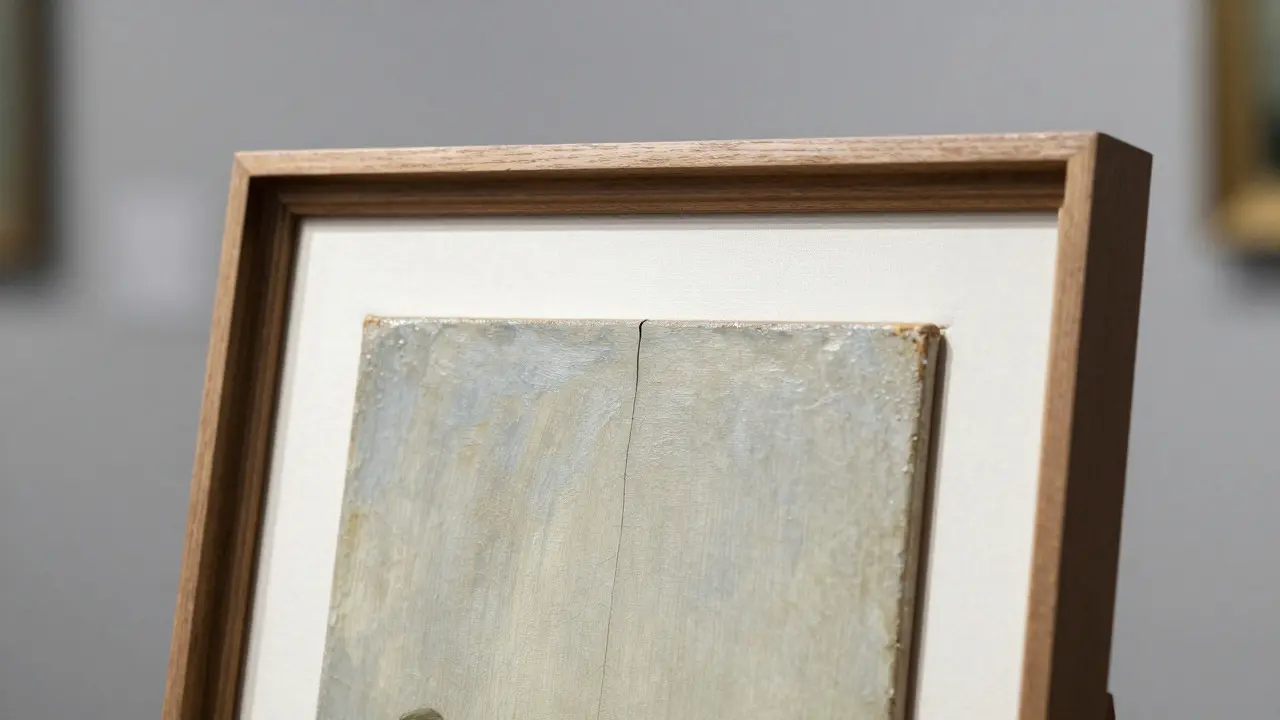
You just bought a $50,000 painting. The gallery owner hands you an insurance quote with two options: a low deductible that costs more per month, or a high deductible that saves cash now but risks a massive out-of-pocket expense if something goes wrong. Which one makes sense? It’s not just about saving money on premiums; it’s about understanding how art insurance deductibles actually work in the real world of collectors and galleries.
Most people treat art like any other asset-something to insure against total loss. But art is fragile, unique, and often irreplaceable. A scratch on a canvas isn’t just a financial hit; it can destroy the piece’s market value entirely. Choosing the right deductible requires balancing your budget with your risk tolerance, and it involves looking at factors most standard insurance guides ignore.
What Exactly Is an Art Insurance Deductible?
Deductible is the amount you pay out of pocket before your insurance policy kicks in for a covered claim. In standard auto or home insurance, this might be $500 or $1,000. In fine art insurance, deductibles are often calculated as a percentage of the insured value rather than a flat dollar amount.
For example, if you insure a sculpture worth $100,000 with a 10% deductible, you pay the first $10,000 of any claim yourself. If the repair costs $15,000, the insurer pays $5,000. This structure changes how you evaluate risk. A lower deductible (like 5%) means higher monthly premiums but less pain when a claim happens. A higher deductible (like 20% or 25%) lowers your premium significantly but demands that you have liquid cash ready for immediate repairs or replacements.
The Math Behind Premiums and Risk
Insurance companies price policies based on probability and severity. Fine art has specific risk factors: transport accidents, climate control failures, theft, and handling errors. When you choose a higher deductible, you are essentially taking on more of the "severity" risk yourself. The insurer charges less because they expect to pay out less frequently or in smaller amounts.
Here is a rough scenario to illustrate the trade-off:
- Option A (Low Deductible): Insure a $200,000 collection. Deductible is 5% ($10,000). Annual premium: $4,000.
- Option B (High Deductible): Insure the same collection. Deductible is 20% ($40,000). Annual premium: $2,800.
At first glance, Option B saves you $1,200 a year. But if you have a minor accident that costs $30,000 to fix, Option A leaves you paying $10,000, while Option B leaves you paying the full $30,000 because it’s under the $40,000 threshold. You only save money in Option B if you go years without a significant claim. For active collectors who move pieces frequently, that "years without a claim" window is shorter than you think.
Factors That Should Influence Your Decision
Your choice shouldn’t be based solely on the premium difference. Consider these practical constraints:
- Liquidity: Can you write a check for 10-20% of your collection’s value within 30 days? If not, a high deductible is a trap. Claims take time, but repairs don’t wait.
- Frequency of Movement: Do you display art in a static location, or do you ship it to exhibitions, homes, and galleries? Every mile traveled increases risk. High-movement collections benefit from lower deductibles.
- Condition of the Work: Older works or pieces with existing damage are more prone to further issues. A lower deductible provides a safety net for unexpected deterioration.
- Portfolio Size: If you own one masterpiece, a high deductible might make sense if you have savings. If you own 50 pieces, the cumulative risk of multiple small claims favors a lower deductible.

Common Mistakes Collectors Make
Many collectors fall into the "premium bias," choosing the highest deductible possible to minimize monthly costs. They forget that insurance is a tool for stability, not just savings. Here are three frequent errors:
Ignoring Transportation Coverage: Some policies have separate deductibles for transit versus storage. A low deductible for storage doesn’t help if your transit deductible is 25%. Always ask how deductibles apply during movement.
Misunderstanding "Actual Cash Value": If your policy covers depreciation, a high deductible might mean you get nothing for a partial loss. Ensure your deductible interacts well with your valuation method (Agreed Value vs. Actual Cash Value).
Skipping the Claim History Review: Ask your broker for industry data on claim frequency for your specific type of art. If oil paintings in your region have a high rate of humidity-related damage, a high deductible is risky.
Comparison: Low vs. High Deductible Strategies
| Feature | Low Deductible (5-10%) | High Deductible (20-25%) |
|---|---|---|
| Monthly Cost | Higher | Lower |
| Out-of-Pocket Risk | Manageable | Significant |
| Best For | Frequent movers, large portfolios, limited cash reserves | Static displays, single high-value items, strong liquidity |
| Claim Frequency Impact | Less impact on total cost | High impact; small claims become expensive |

How to Negotiate Your Deductible
Deductibles aren’t always fixed. Brokers often have flexibility. If you have a long history with an insurer or a diverse portfolio, you might negotiate a tiered deductible. For instance, a 10% deductible for individual pieces under $50,000 and a 5% deductible for pieces over $100,000. This hybrid approach protects your most valuable assets while keeping premiums reasonable for the rest of your collection.
Always request a written breakdown of how the deductible applies to different perils. Does it reset annually? Is it per claim or per incident? These details matter more than the headline percentage.
Frequently Asked Questions
Is a higher deductible always cheaper?
Yes, generally speaking. Insurers charge less for higher deductibles because they assume you will handle more of the financial burden. However, the savings plateau after a certain point; going from 10% to 20% saves more than going from 20% to 30%.
Do deductibles apply to theft or only damage?
It depends on the policy. Many fine art policies apply the same deductible to all covered perils, including theft, fire, and water damage. However, some specialized riders may have separate terms for transit. Always verify this in your contract.
What happens if the repair cost is less than the deductible?
You pay the full repair cost yourself, and no claim is filed. This is why high deductibles can be dangerous for minor incidents-you end up paying for everything out of pocket without triggering insurance benefits.
Can I change my deductible mid-policy?
Usually, yes, but it requires a new quote and endorsement from your insurer. Changes typically take effect at the next renewal date unless negotiated otherwise. Be aware that increasing your deductible may require proof of financial capacity.