Art Gallery Site Selection: Market Analysis & Location Strategy
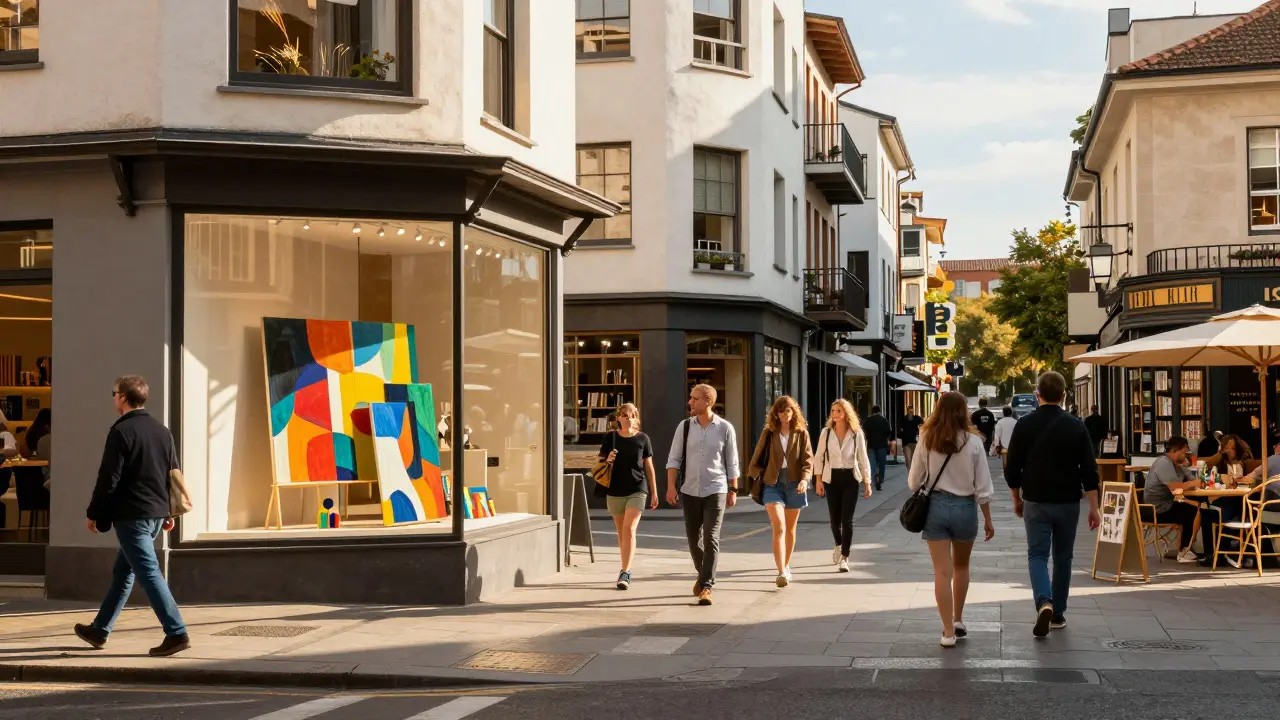
Opening an art gallery is less about the art on the walls and more about where those walls stand. A stunning collection in a dead-end basement will struggle to survive, while a modest space in a high-traffic cultural hub can thrive. The difference often comes down to one thing: site selection. It’s not just about finding a cheap lease; it’s about positioning your business where buyers, collectors, and curious locals already are.
Choosing the right spot requires a blend of hard data and street-level intuition. You need to understand who your audience is, where they spend their money, and how they move through the city. This guide breaks down the practical steps for analyzing a potential gallery location, from demographic mapping to neighborhood vibe checks.
Key Takeaways
- Foot traffic matters more than square footage: High visibility and pedestrian flow drive discovery-based sales.
- Neighborhood identity is critical: Your gallery must fit the existing cultural or commercial narrative of the area.
- Demographics dictate pricing: Match your inventory price points to the disposable income of the immediate radius.
- Lease terms impact flexibility: Look for clauses that allow for expansion or relocation as your brand grows.
Understanding Your Target Audience Profile
Before you look at maps, you need to know who you’re selling to. Are you targeting local homeowners looking for mid-range decor? International collectors hunting for contemporary pieces? Or perhaps design firms sourcing for corporate spaces? Each group behaves differently.
If your focus is on Contemporary Art modern artistic works characterized by abstract or experimental styles, your audience likely values proximity to other cultural institutions like museums or theaters. They want an experience, not just a purchase. If you deal in Fine Art Prints reproducible artworks produced using techniques like lithography or screen printing, your customers might be younger professionals with lower entry-price thresholds but higher frequency of purchase.
Create a detailed persona for your ideal buyer. Include their age range, average household income, and typical weekend habits. Then, overlay this profile onto potential neighborhoods. A wealthy suburb might have the money, but if no one walks around downtown, you lose the impulse walk-ins that keep galleries alive between major shows.
Analyzing Neighborhood Demographics and Economics
Data doesn’t lie, but it needs context. Start by pulling census data for the zip codes surrounding your candidate locations. Look at median household income, education levels, and housing types. Single-family homes suggest different buying behaviors than high-density apartments.
| Indicator | Why It Matters | Target Threshold (Example) |
|---|---|---|
| Median Household Income | Correlates with discretionary spending on art | >$80k for mid-to-high end galleries |
| Bachelor's Degree Rate | Indicates cultural engagement and appreciation | >40% of adult population |
| New Business Openings | Signals economic growth and new resident influx | Positive trend over last 3 years |
| Tourist Volume | Drives transient sales and brand awareness | High density in historic/downtown cores |
Don’t just look at the numbers; look at the trajectory. Is the neighborhood gentrifying? Are new cafes and boutiques opening up? These are leading indicators of rising property values and increased foot traffic. Conversely, if businesses are closing and vacancy rates are climbing, the risk increases significantly.

The Importance of Foot Traffic and Visibility
For most galleries, passive marketing is king. People don’t usually search "buy painting near me" on their phones; they stumble upon a window display. This makes Pedestrian Flow the volume and speed of people walking through a specific area during peak hours your most valuable asset.
Conduct a manual count of foot traffic at different times of day and days of the week. Stand outside the prospective location for 15 minutes at 10 AM, 2 PM, and 6 PM on a Tuesday and a Saturday. Note the pace of walkers-are they rushing to work, or strolling leisurely? Leisurely walkers are more likely to stop and look inside.
Visibility is equally important. Can you see the storefront from the main sidewalk? Is there obstructions like trees, billboards, or large vehicles blocking the view? A corner unit offers two sides of exposure, which can double your passive advertising reach. If the location is set back from the street behind a parking lot, you’ll need a much stronger active marketing budget to compensate.
Evaluating Competition and Complementary Businesses
You don’t necessarily want to be alone. In fact, clustering with complementary businesses can boost your success. Being near a popular restaurant, a bookshop, or a coffee chain creates a destination effect. People visit the cafe, browse the books, and then wander into your gallery. This is known as the "synergy effect."
However, analyze direct competitors. How many other galleries are within a half-mile radius? If there are five established galleries all selling similar mid-century modern pieces, the market may be saturated. Differentiate yourself or choose a location where your style stands out. Use tools like Google Maps to identify nearby players and review their social media presence to gauge their activity level.
Assessing Physical Space and Logistics
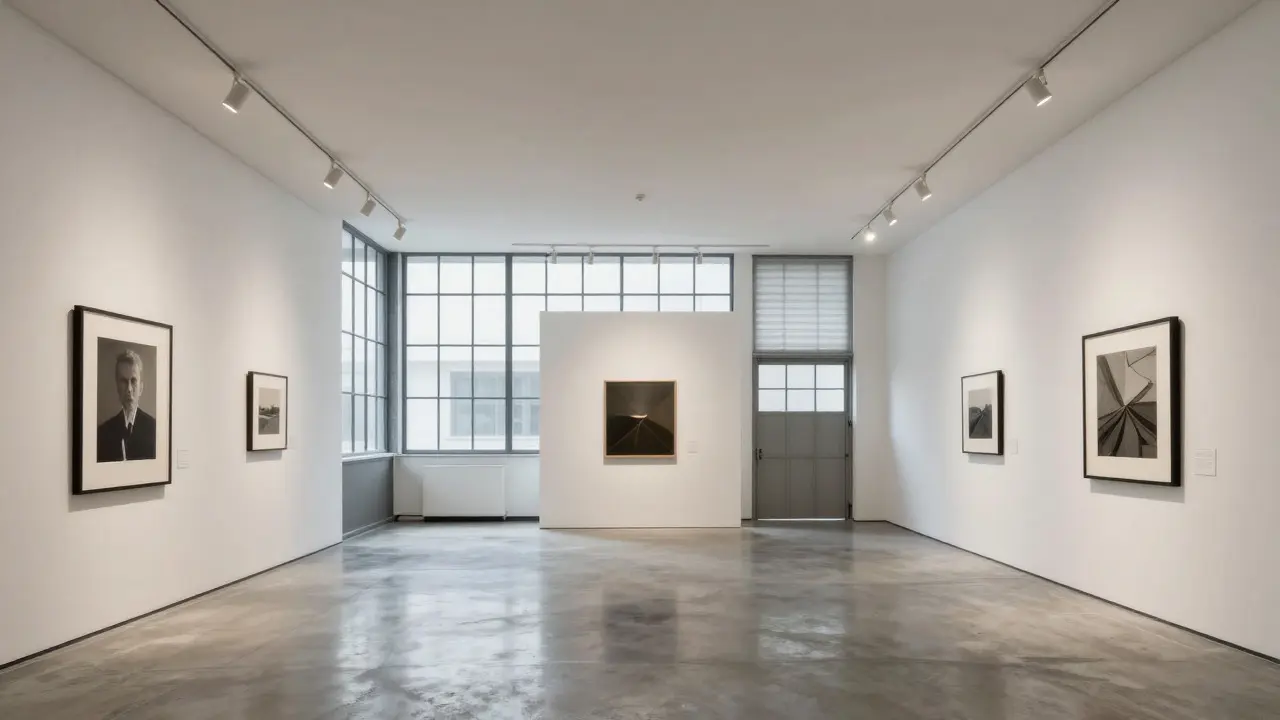
The building itself has to work for you. Art is fragile and often large. Check the ceiling height-galleries typically need at least 10 feet to hang pieces properly and create a sense of space. Inspect the lighting infrastructure; natural light is great, but direct sunlight can fade artwork, so you’ll need UV-filtering glass or blinds.
Consider logistics for shipping and receiving. Do you have easy access for delivery trucks? Is there a loading dock or a side entrance? If you plan to host events, check if the space allows for noise and capacity changes. Also, verify the HVAC system. Climate control is non-negotiable for preserving paper works and canvases. Humidity fluctuations can ruin inventory faster than poor sales can hurt your bottom line.
Navigating Lease Terms and Financial Viability
The sticker price of rent is only part of the equation. Look at the total occupancy cost, which includes Common Area Maintenance (CAM) charges, taxes, and insurance. In many commercial leases, CAM fees can add 15-20% to the base rent.
Negotiate a tenant improvement period where the landlord pays for build-out costs. Since you’ll be installing specialized lighting, security systems, and flooring, this can save you tens of thousands of dollars. Aim for a lease term that aligns with your growth strategy. A three-year lease gives stability, but a five-year lease might lock you in if the neighborhood changes unexpectedly. Ask for break clauses that allow you to exit early with notice if sales fall below a certain threshold.
Common Pitfalls to Avoid
- Ignoring Zoning Laws: Ensure the space is zoned for retail or mixed-use. Some areas restrict commercial activities to specific hours.
- Underestimating Security Costs: High-value art requires robust security. Factor in camera systems, alarms, and potentially armed guards for late openings.
- Overlooking Parking: Even in walkable areas, clients picking up large pieces need parking. Lack of parking can deter serious buyers.
- Chasing Trendy Areas Too Early: Moving into a district before it’s fully developed means you might wait years for the foot traffic to materialize.
Final Verification Steps
Before signing anything, do a "soft launch" test. Set up a temporary pop-up in the area if possible, or simply spend a full day living in that neighborhood. Eat at the local restaurants, talk to shop owners, and observe the crowd. If the vibe feels right and the data supports your hypothesis, you’re ready to proceed. Remember, the best location isn’t just where you can afford to be; it’s where your art belongs.
How much foot traffic does an art gallery need?
There is no single number, but generally, you want a location with at least 500-1,000 pedestrians per hour during peak daytime hours. However, quality matters more than quantity; slow-moving shoppers in a leisure district are better than fast-moving commuters in a business district.
Is online-only better than a physical gallery?
Online is essential for reach, but physical galleries provide trust and tactile experience. For high-ticket items, seeing the piece in person reduces return rates and builds collector confidence. Most successful galleries use a hybrid model.
What is the ideal size for a new art gallery?
Start smaller than you think you need. 1,000 to 1,500 square feet is often sufficient for a boutique gallery. This keeps rent manageable and allows for intimate client experiences. You can always expand later if the location proves successful.
Should I choose a corner unit or a mid-block unit?
Corner units offer superior visibility from two directions, which is highly beneficial for passive marketing. Mid-block units are often cheaper and may have deeper floor plans, but they rely more heavily on internal navigation and signage to attract attention.
How do I handle climate control for sensitive artworks?
Invest in a dedicated HVAC system capable of maintaining consistent temperature (around 70°F) and humidity (40-50%). Consider dehumidifiers for basements or humid climates. Regular monitoring with digital hygrometers is essential to prevent damage to paper and canvas works.