Art Gallery Parking Guide: Improving Customer Access and Visitor Experience
Key Takeaways for Gallery Owners
- Parking is a psychological extension of the gallery experience.
- Valet services and designated spots increase high-net-worth visitor retention.
- Digital wayfinding and clear signage reduce first-visit anxiety.
- Strategic partnerships with local garages can solve space deficits in urban cores.
The Psychological Link Between Parking and Art Appreciation
When someone visits a gallery, they are looking for a specific mental state-usually one of contemplation, luxury, or inspiration. If the process of arriving is stressful, the brain stays in "survival mode" (cortisol spikes, irritation) rather than "aesthetic mode." This means the first ten minutes of their visit are spent recovering from the commute rather than engaging with the art.
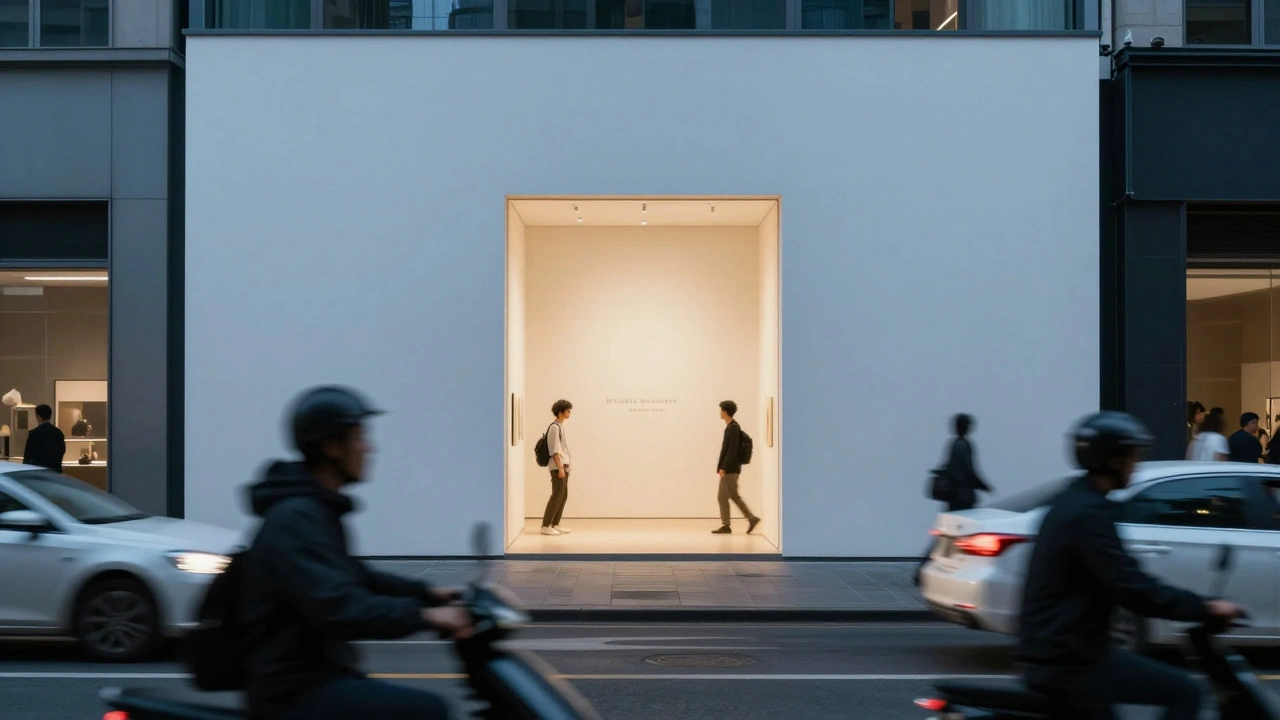
For galleries dealing with high-ticket items, this is a critical business risk. A buyer spending $50,000 on a painting expects a seamless experience. If the parking is a nightmare, it subtly signals that the gallery is unorganized or inconsiderate of the client's time. In professional Gallery Real Estate the strategic selection and management of physical spaces dedicated to the exhibition and sale of art, the perimeter of the building is just as important as the lighting in the showroom.
Analyzing Different Parking Models for Galleries
Depending on where your gallery is located-whether it's a converted warehouse in a district like Portland's Pearl District or a storefront in Soho-your parking strategy will vary. You can't always control the city's zoning, but you can control how you manage the access.
| Model | Best For | Pros | Cons |
|---|---|---|---|
| On-Site Private Lot | Suburban or Industrial zones | Complete control, maximum convenience | High real estate cost, wasted space |
| Valet Service | High-end Urban Galleries | Luxury feel, maximizes street space | High operating cost, liability risks |
| Partnered Garage | Dense City Centers | Scalable, removes street congestion | Disconnected from the entrance |
| Street-Only / Public | Emerging Art Districts | Low overhead, organic feel | Unpredictable, frustrates VIPs |
Implementing Valet and Concierge Access
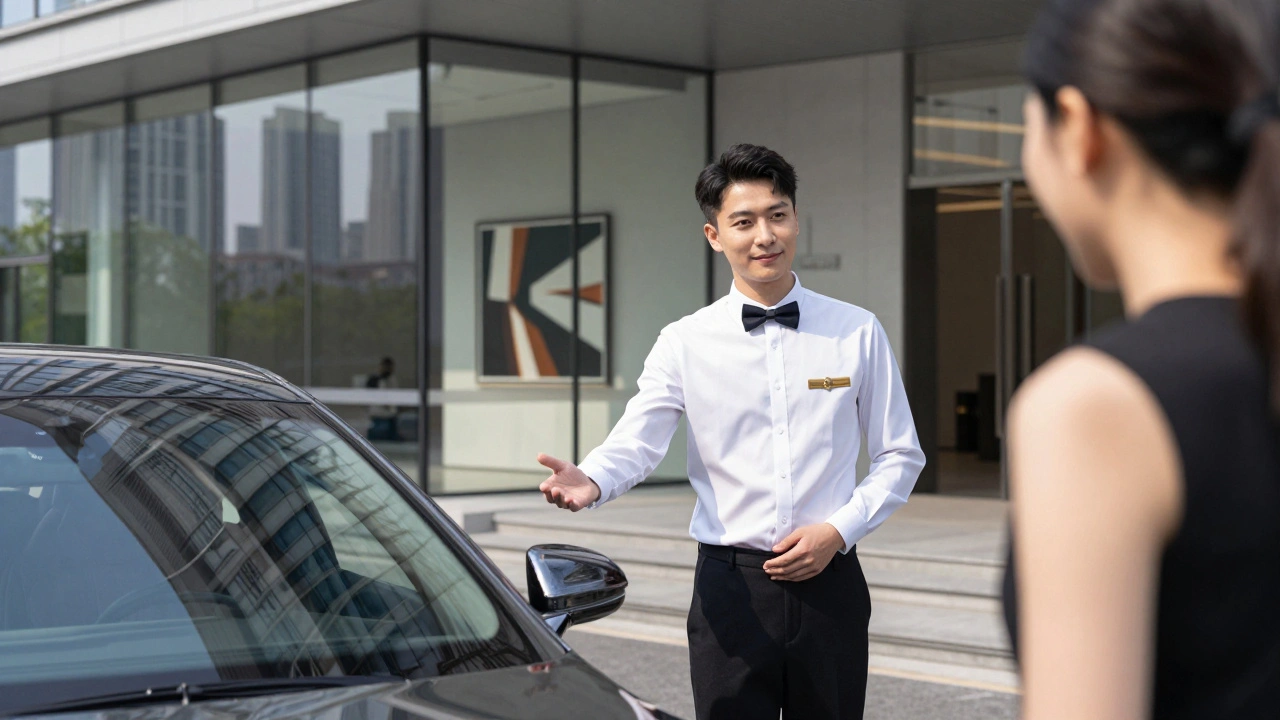
If you are targeting a luxury demographic, a Valet Parking a service where an attendant parks cars for guests to ensure immediate entry to a venue system is more than a convenience; it's a marketing tool. It tells the client, "Your time is valuable, and we have handled everything."
To make this work without breaking the bank, consider a hybrid model. Offer free valet for known collectors or those with appointments, while directing general walk-ins to a nearby garage. This creates a tiered experience that rewards your best customers. When setting up a valet operation, ensure the attendant is briefed on the gallery's current exhibition. They are the very first human point of contact your guest has; if they are welcoming and knowledgeable, the experience begins at the curb, not the door.
Solving the Urban Density Puzzle
Many galleries operate in areas where owning a lot is impossible. In these cases, the goal is to eliminate "search anxiety." This is the stress a driver feels when they don't know if a spot exists or where the nearest legal parking is. You can solve this through better communication and Wayfinding the information system that guides people through a physical environment, such as signage and maps.
Instead of a generic "Parking Available Nearby" note on your website, provide a dedicated "Visit Us" page with a custom map. Mark the exact entrances of the three closest garages. Even better, negotiate a corporate rate or a validation deal with a specific Parking Garage a multi-level building designed specifically for vehicle storage. If you can tell a client, "Park in the Smith Garage on 4th; we'll validate your ticket for the first three hours," you've removed 90% of their stress.
Managing Delivery and Installation Logistics
Customer access isn't just about the visitors; it's about the art itself. The logistics of moving a 6-foot canvas or a heavy bronze sculpture require a completely different set of parking considerations. A common mistake is prioritizing visitor parking so much that you block your own loading zone.
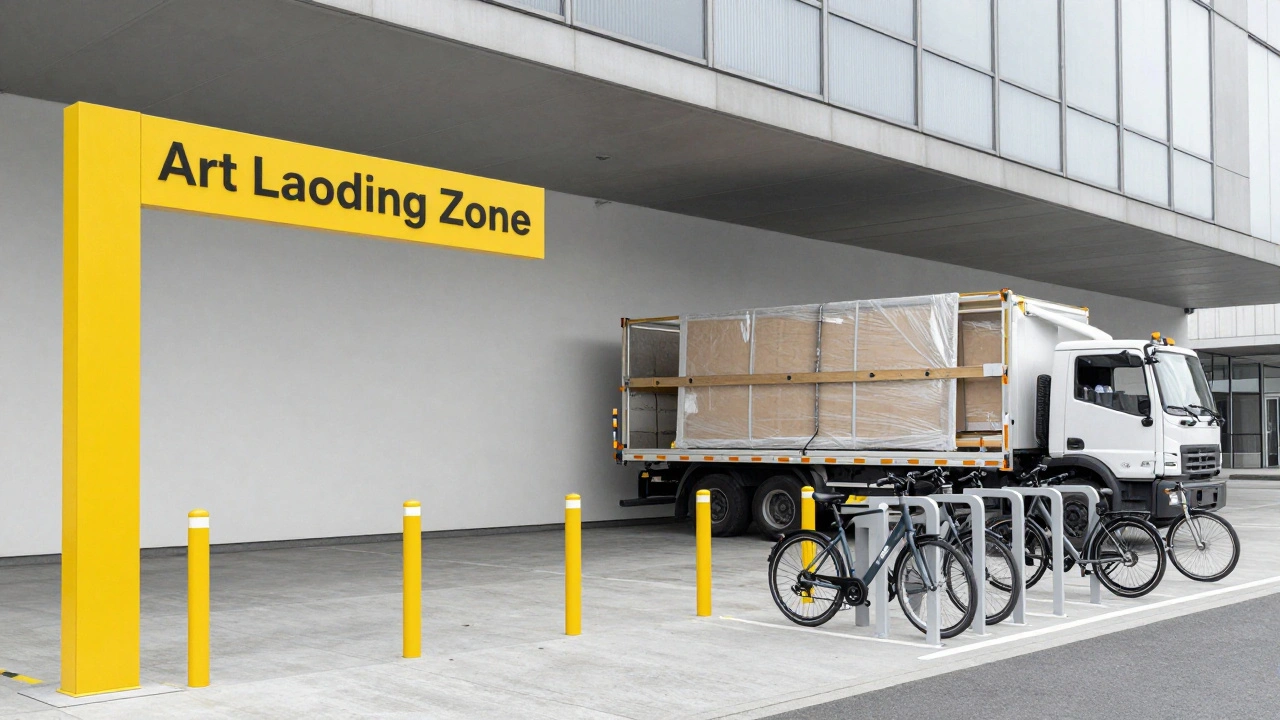
Your Loading Dock a designated area for the loading and unloading of goods from vehicles must be kept clear 24/7. If customers start using your loading zone as a convenient short-term spot, you'll find yourself in a nightmare scenario when a professional art handler arrives with a refrigerated truck. Establish a clear "No Parking - Art Loading Zone" with bold signage and, if necessary, physical bollards to ensure that the physical movement of inventory is never hindered by a visitor's car.
The Role of Sustainable Transport in Gallery Planning
As city centers shift toward pedestrian-only zones and bike-friendly layouts, the definition of "access" is changing. We are seeing a rise in Micro-mobility a range of small, lightweight vehicles such as electric scooters and bicycles used for short-distance travel. If your gallery is in a walkable district, providing secure, high-quality bike racks can attract a younger, emerging collector base.
Consider the "Last Mile" experience. If your partner garage is two blocks away, is the walk safe and pleasant? Are there clear signs pointing from the garage to your gallery? If the walk is through a dark alley or a construction zone, the guest is already annoyed by the time they reach your door. In some cases, offering a quick shuttle or a complimentary ride-share voucher for the trip from a distant lot can maintain the luxury feel of the visit.
Does parking really affect art sales?
Yes. While a passionate collector will eventually find a way in, poor parking creates a negative first impression. It increases the "cost of entry" in terms of time and stress, which can lead to shorter visits and less time spent engaging with the artwork.
How do I handle parking for a high-traffic opening night?
For events, temporary valet is the gold standard. If that's too expensive, pre-book a block of spaces at a nearby garage and provide a digital map to all invitees via email 48 hours before the event. This prevents the dreaded "gridlock" around your entrance.
What is the best way to communicate parking info to clients?
Avoid a simple text mention. Use a visual guide on your website. A screenshot of a map with a "You Are Here" marker and a "Park Here" marker is far more effective than written directions like "turn left after the pharmacy."
Should I pay for my customers' parking?
For VIPs and high-value prospects, absolutely. Validating parking is a low-cost way to show high-level hospitality. For general visitors, providing a clear map to free public parking is usually sufficient.
How does parking affect the choice of gallery real estate?
When scouting locations, don't just look at the square footage. Check the parking patterns of the rest of the street. If the neighboring businesses are struggling with access, your gallery will too. A location with a dedicated lot or a nearby garage is often worth a higher rent because it lowers the friction for your buyers.
Next Steps for Improving Your Access
If you're not sure where your gallery stands, try this: actually drive to your gallery during a busy hour. Don't use your private spot. Try to find parking as a stranger would. You'll quickly realize where the gaps are-whether it's a confusing street sign, a hidden garage, or a lack of clear instructions on your website.
Depending on your budget, start with a "Digital First" approach: update your website with a visual parking guide and reach out to the nearest garage manager for a potential partnership. If you're managing a high-end space, start auditing the transition from the car to the gallery door. Every single step should feel like it was designed to make the visitor feel welcome and relaxed.