Art Gallery Location Scouting Checklist: What to Look For in 2026
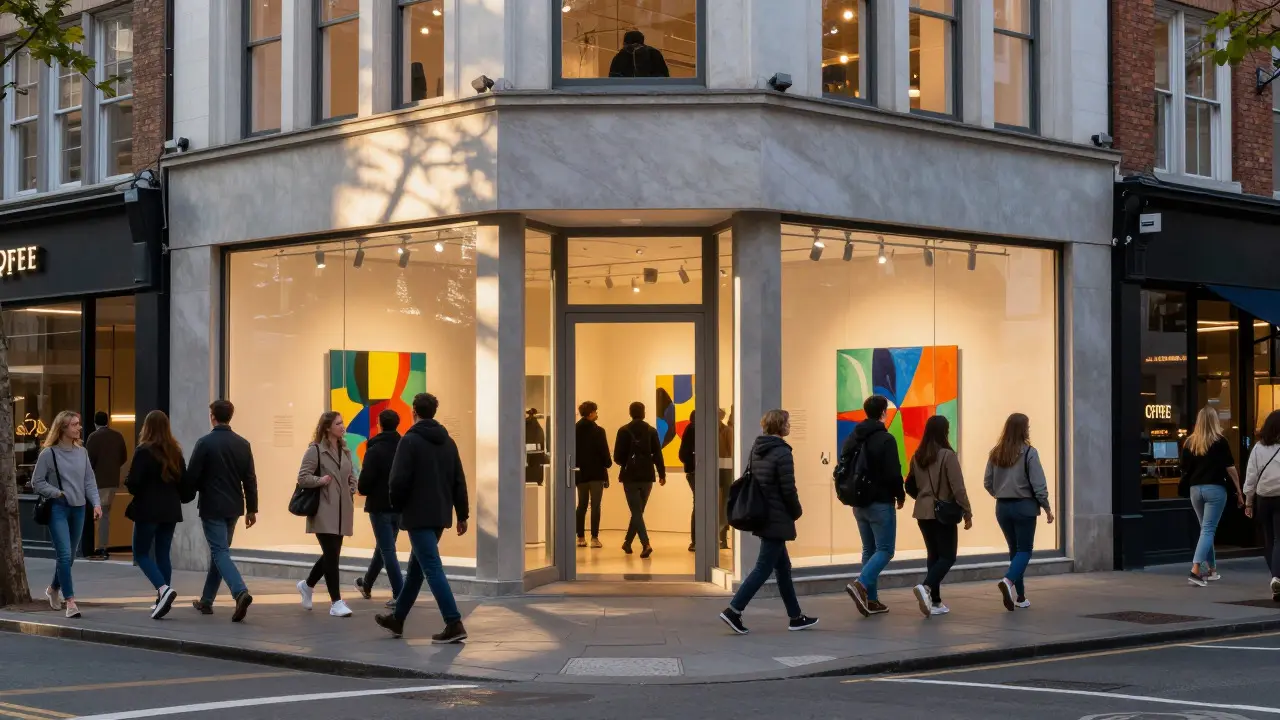
Walking into a space that feels "right" for an art gallery is easy. Finding one that will actually sustain your business over the next five years is where most founders stumble. The wrong location doesn't just hurt your aesthetic; it quietly kills your cash flow through high vacancy periods, poor accessibility, or hidden maintenance costs. Before you sign anything, you need a rigorous process to evaluate potential spaces against both artistic vision and hard financial realities.
Key Takeaways
- Foot traffic matters more than raw square footage for contemporary art sales.
- Always verify HVAC systems capabilities before committing, as climate control is critical for artwork preservation.
- Negotiate tenant improvements (TI) allowances directly into the lease to offset renovation costs.
- Check local zoning laws specifically for commercial retail use, not just general commercial permits.
- Visit the space at three different times of day on a weekday and weekend to gauge true pedestrian flow.
Analyzing Foot Traffic and Visibility
Your gallery lives or dies by who walks past its windows. Unlike online stores, physical galleries rely on impulse discovery and community presence. Start by counting pedestrians. Don't guess. Spend two hours on a Tuesday afternoon and two hours on a Saturday morning counting people passing the specific storefront. Note how many stop, look, or enter nearby businesses. If fewer than 5% of passersby engage with neighboring shops, the area may lack the curiosity-driven behavior typical of art buyers.
Visibility isn't just about being on a main street. It's about sightlines. Can drivers see the window display from 100 feet away? Are there obstructions like large trees, parked delivery trucks, or adjacent building corners that block view? In Portland, for example, areas like Pearl District have high density but narrow sidewalks. You need to ensure your entrance doesn't feel like a dead end. Check for natural lighting too. North-facing windows provide consistent, indirect light ideal for viewing paintings without glare, while south-facing windows can cause fading issues if UV filters aren't installed.
| Metric | Low Risk Zone | Medium Risk Zone | High Risk Zone |
|---|---|---|---|
| Daily Pedestrians (Weekday) | 500+ | 200-500 | <200 |
| Sightline Obstruction | None | Partial (trees/signs) | Total (buildings/corners) |
| Competitor Proximity | 3+ blocks away | 1-3 blocks away | Same block |
Physical Space Assessment: Light, Climate, and Structure
Art is sensitive. A standard office HVAC system often struggles to maintain the stable humidity levels required for paper works and mixed media. You need a dedicated system capable of keeping relative humidity between 45% and 55%. Ask for the age of the heating, ventilation, and air conditioning units. If they are older than 10 years, budget for a full replacement, which can cost upwards of $15,000-$30,000 depending on square footage.
Flooring is another silent killer of budgets. Original hardwood might look charming, but it requires refinishing every 7-10 years. Concrete slabs are durable but cold and hard on joints during long opening nights. Consider installing floating wood floors or high-quality vinyl plank that mimics wood but offers better moisture resistance and lower maintenance. Ceiling height also impacts perception. Anything under 9 feet feels cramped for large-scale installations. Aim for 10 feet or higher to allow for dramatic hanging systems and visitor movement.
Electrical capacity is frequently overlooked. Modern galleries use track lighting, LED strips, and digital displays. Ensure the panel can handle 200 amps minimum. If the space was previously a restaurant, check for grease traps in the plumbing. If it was a warehouse, inspect for water damage in the subfloor. These structural issues can double your renovation timeline and cost.
Lease Terms and Financial Viability
The lease is a legal contract, not just a rental agreement. Look for a gross lease versus a net lease. In a gross lease, the landlord covers taxes, insurance, and maintenance. In a net lease, you pay those on top of base rent. For a small gallery starting out, a gross lease provides predictable monthly expenses. However, if you plan to stay for 10+ years, a net lease might offer lower base rent in exchange for assuming operational costs.
Negotiate a tenant improvement (TI) allowance. This is money the landlord gives you to customize the space. Standard TI allowances range from $20 to $50 per square foot. If your build-out costs $80 per square foot, you need to negotiate the gap. Also, secure a free rent period. Three months of free rent at the start can cover initial marketing and inventory costs. Watch out for "CAM charges" (Common Area Maintenance). These can increase annually by 3-5%, adding unexpected pressure to your operating budget.
Zoning, Permits, and Local Regulations
Before falling in love with a space, confirm it is zoned for retail sales. Some industrial zones allow "light manufacturing" but restrict customer-facing retail. In many cities, selling alcohol (often paired with gallery events) requires a separate license that takes 3-6 months to approve. Check if the neighborhood has historic district regulations. These can limit exterior signage size, color, and even interior wall modifications. Violating these rules can result in fines or forced reverts to original condition, costing thousands.
Parking is a logistical hurdle. Do you have dedicated spots? If not, what is the nearest public garage? If visitors can't park easily within a 5-minute walk, conversion rates drop significantly. Consider partnering with a nearby lot for exclusive discounts for your customers. Accessibility is also legally mandated under ADA standards. Ensure doorways are at least 36 inches wide and that restrooms are compliant. Retrofitting non-compliant spaces is expensive and time-consuming.

Community Fit and Neighborhood Dynamics
Your gallery is part of a larger ecosystem. Who are your neighbors? If you're surrounded by fast-food chains, your target audience may not align with their demographics. Ideally, you want proximity to complementary businesses: coffee shops, bookstores, design studios, or hotels. These places drive qualified foot traffic. Talk to the owners of adjacent businesses. Are they stable tenants? High turnover in neighboring units signals economic instability in the area.
Consider the cultural vibe. Is the neighborhood known for nightlife, family activities, or professional services? Each attracts different types of buyers. A gallery near a university might attract younger, first-time collectors, while one in a historic residential area might appeal to established patrons. Visit the area in the evening. Is it safe? Is it lively? Does it feel inviting after dark? Art galleries often extend hours for events, so nighttime atmosphere matters just as much as daytime foot traffic.
Final Verification Steps Before Signing
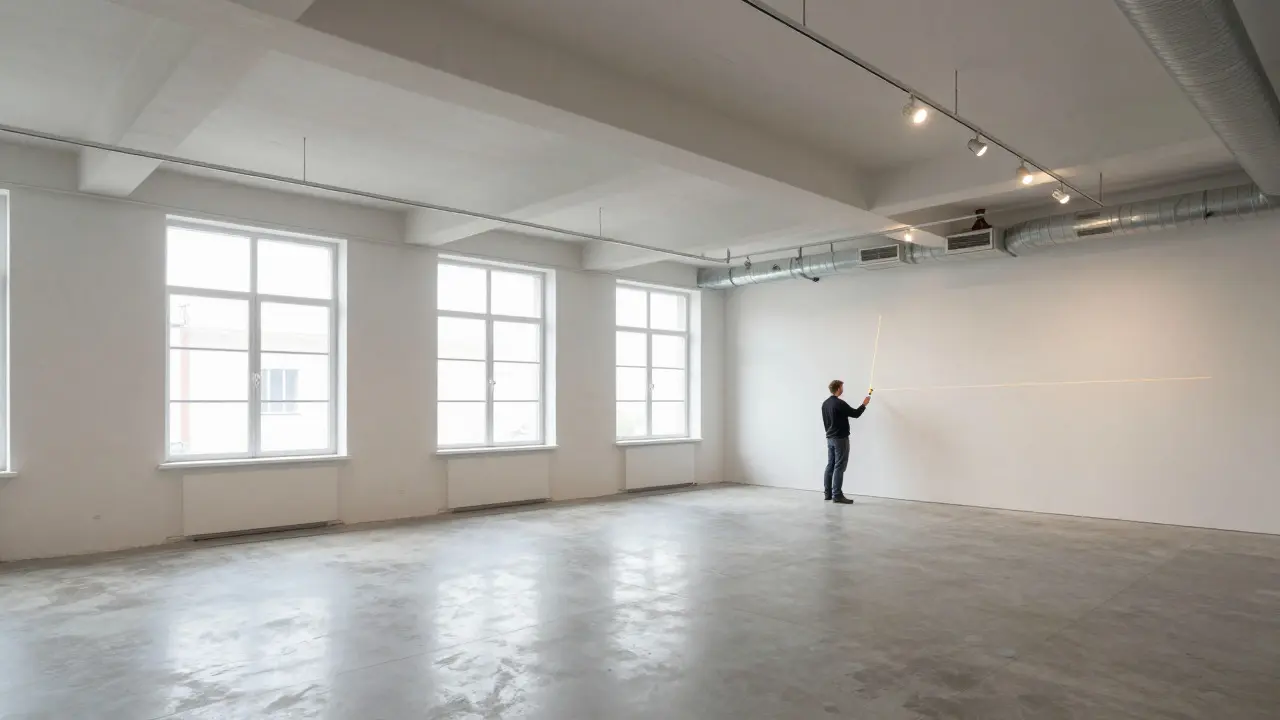
Once you've narrowed down your top two choices, conduct a final walkthrough with a contractor. Bring a laser measure to verify dimensions against architectural plans. Check for mold, pests, or electrical hazards. Get written quotes for any necessary repairs. Compare the total cost of occupancy (rent + utilities + insurance + maintenance) against your projected revenue. If the break-even point exceeds 18 months, reconsider the price or negotiate harder.
Don't rush the decision. A good location should feel inevitable, not forced. If something feels off about the energy of the space or the responsiveness of the landlord, trust that instinct. The best gallery locations support the art, enhance the visitor experience, and provide a stable foundation for long-term growth. Use this checklist to filter out the emotional noise and focus on the data that drives sustainable success.
How much square footage does a typical art gallery need?
Most successful independent galleries operate between 1,000 and 3,000 square feet. Smaller spaces (under 1,000 sq ft) work for niche markets or pop-ups, while larger spaces (over 3,000 sq ft) require higher sales volume to justify overhead. The key is ensuring enough open floor space for installation and viewer circulation, typically requiring 60% of the area to remain unobstructed.
What is the average cost of tenant improvements for a gallery?
Tenant improvement costs vary widely based on existing conditions. Expect to spend between $50 and $100 per square foot for a basic build-out including painting, flooring, lighting, and HVAC upgrades. Luxury finishes or complex security systems can push this to $150+ per square foot. Always get three contractor bids before negotiating the TI allowance with the landlord.
Should I choose a corner unit or a mid-block location?
Corner units offer superior visibility from two streets but often come with higher rents and more wind exposure. Mid-block locations are cheaper and quieter but rely entirely on pedestrian flow from one direction. For emerging galleries, mid-block is usually safer financially unless the corner position is in a high-traffic intersection with proven retail success.
How important is natural light for an art gallery?
Natural light enhances the viewing experience but poses risks to artwork preservation. North-facing light is preferred because it is consistent and lacks direct sun rays that cause fading. South and west-facing windows require UV-filtering films or heavy curtains. If the space lacks north light, invest in high-quality artificial lighting that mimics daylight spectrum (5000K-6500K) to ensure accurate color rendering.
What lease length is recommended for a new gallery?
A 5-year lease with a 5-year renewal option is standard. This provides stability for investors and lenders while allowing flexibility if the business model changes. Avoid short-term leases (under 3 years) unless you are testing the market, as frequent moves disrupt brand recognition and incur repeated moving and renovation costs.