Art Gallery Flooring Guide: Concrete, Hardwood, Tile & Sustainable Choices
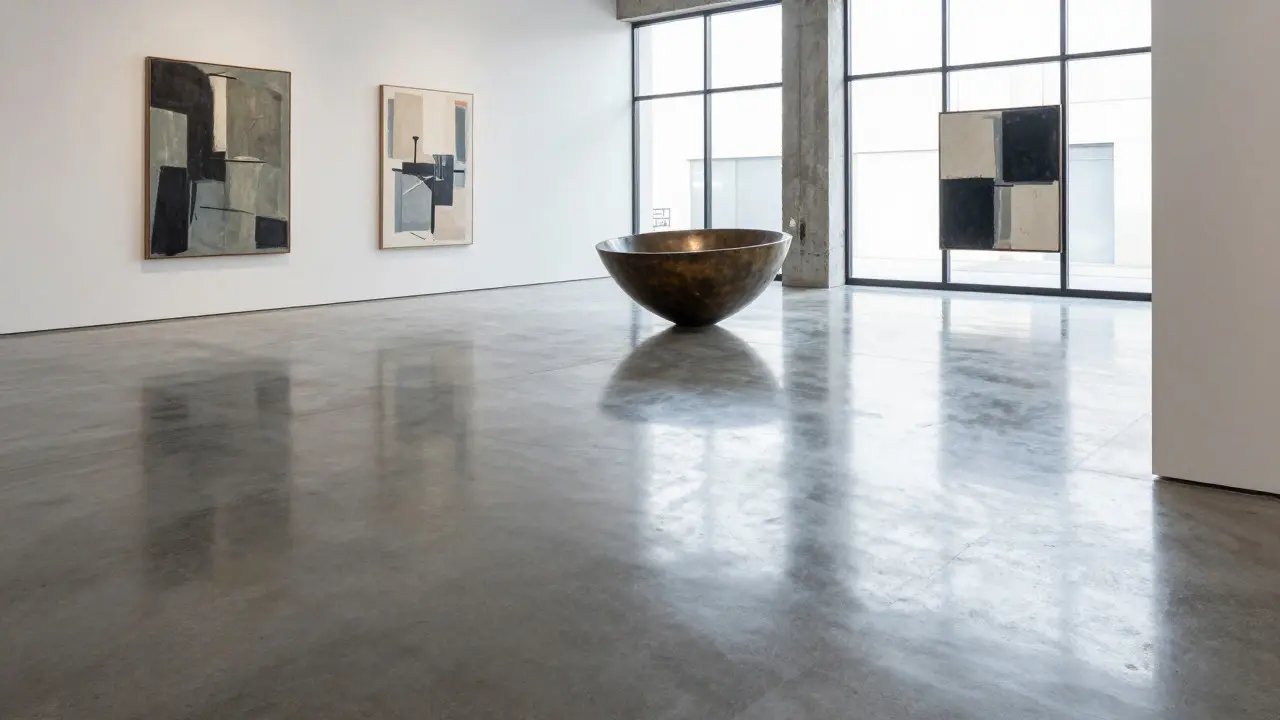
Walking into a gallery with the wrong floor can ruin the vibe before you even look at the art. The surface under your feet dictates how light bounces off the walls, how heavy sculptures sit, and whether visitors feel comfortable standing for twenty minutes or just five. It’s not just about looks; it’s about acoustics, durability, and maintenance. If you’re designing a new space or renovating an old one, choosing between concrete, hardwood, and tile is a decision that impacts everything from insurance costs to visitor experience.
This guide breaks down the practical realities of each material. We’ll look at what works best for high-traffic zones versus intimate viewing areas, how sustainability factors in, and why some materials are secretly better for sound control than others. No fluff, just the specs and trade-offs that matter when you’re holding the budget.
Why Flooring Matters More Than You Think
Most people assume the floor is just a background element. In reality, it’s a primary design tool. A polished concrete floor reflects light, which can create glare on glossy canvases. A dark hardwood absorbs light, creating a moody atmosphere that makes vibrant colors pop. But there’s more to it. Foot traffic generates noise. Hard surfaces like tile and concrete amplify footsteps, making conversations echo. Soft materials dampen sound, allowing the art to speak without auditory distraction.
You also have to consider weight distribution. Large bronze sculptures need a floor that won’t dent or crack under concentrated pressure. Lighter installations might be fine on standard wood, but heavy kinetic pieces require structural support. Finally, think about cleaning. Dust settles on everything. A porous floor traps dirt, while a sealed surface wipes clean in seconds. For a busy gallery, this daily routine adds up fast.
Concrete: The Industrial Workhorse
Polished Concrete is a durable, low-maintenance flooring option made by grinding and sealing raw concrete slabs. It has become the default choice for contemporary art spaces because it handles almost anything. You can pour it thick enough to support multi-ton installations. It doesn’t warp with humidity changes, which is a huge plus if your gallery has large windows or poor climate control.
The aesthetic is stark and modern. It pairs well with minimalism and industrial chic. However, it’s cold to the touch. If your gallery stays cool in winter, visitors might feel uncomfortable standing barefoot or in thin shoes for long periods. You can mitigate this with area rugs, but that defeats part of the purpose of having an open, seamless floor.
- Pros: Extremely durable, easy to clean, reflects light (good for bright spaces), low initial cost if slab-on-grade.
- Cons: Cold, hard on joints, prone to cracking if not properly cured, requires professional polishing for a smooth finish.
- Best For: Contemporary galleries, high-traffic entryways, spaces with heavy sculptures.
Hardwood: Warmth with Caveats
Engineered Hardwood is a stable flooring product consisting of a real wood veneer bonded to layers of plywood or high-density fiberboard. Unlike solid wood, engineered hardwood resists expansion and contraction caused by temperature and humidity swings. This makes it safer for galleries where HVAC systems might fluctuate.
The warmth of wood creates an inviting atmosphere. It softens the visual impact of white walls and reduces echo significantly compared to stone or tile. Visitors tend to linger longer on wood floors because they feel less harsh underfoot. But wood is sensitive. Spills must be wiped immediately to avoid staining. Heavy furniture legs can leave permanent dents if not protected with felt pads.
- Pros: Acoustically quiet, warm aesthetic, easier to install than solid wood, good for mid-century or traditional styles.
- Cons: Susceptible to scratches and dents, sensitive to moisture, higher upfront cost than concrete.
- Best For: Intimate viewing rooms, classical art displays, spaces aiming for a cozy, residential feel.

Tile: Durability Meets Design Flexibility
Ceramic and porcelain tiles offer a middle ground. They are harder than wood but easier to replace individually if broken. Porcelain, specifically, is dense and water-resistant, making it ideal for galleries with frequent deliveries or wet installations. You can choose matte finishes to reduce glare or glossy finishes to maximize light reflection.
The main drawback is grout. Over time, grout lines can discolor or crack, requiring re-grouting. This is a maintenance headache that concrete avoids entirely. Also, tile is unforgiving. If you drop a glass frame, it shatters. On concrete, it might bounce. On wood, it might crack. On tile, it’s gone.
- Pros: Water-resistant, wide variety of colors and patterns, individual piece replacement, good for commercial use.
- Cons: Grout maintenance, slippery when wet, hard underfoot, potential for breakage.
- Best For: Galleries with mixed media (including liquid installations), high-humidity climates, eclectic design themes.
Sustainability: Beyond the Green Label
Choosing eco-friendly flooring isn’t just about marketing. It affects indoor air quality and operational costs. Look for certifications like FSC (Forest Stewardship Council) for wood products. Ensure adhesives and sealants are low-VOC (Volatile Organic Compounds) to prevent off-gassing, which can damage sensitive artworks over time.
Recycled content is another angle. Some concrete mixes include recycled aggregates. Cork and bamboo are rapidly renewable alternatives to hardwood, though they may lack the longevity of oak or maple. When evaluating sustainability, consider the lifecycle. A floor that lasts 50 years with minimal repairs is more sustainable than a "green" floor that needs replacing every 10 years.
| Material | Durability | Maintenance | Acoustics | Initial Cost | Environmental Impact |
|---|---|---|---|---|---|
| Polished Concrete | High | Low | Loud/Echoey | Medium | Low (if local aggregate) |
| Engineered Hardwood | Medium | Medium | Quiet/Absorptive | High | Medium (depends on source) |
| Porcelain Tile | Very High | Medium (grout) | Loud/Echoey | Medium-High | Low-Medium |
| Cork/Bamboo | Medium-Low | Medium | Very Quiet | Medium | Low (rapidly renewable) |
Hybrid Approaches and Practical Tips
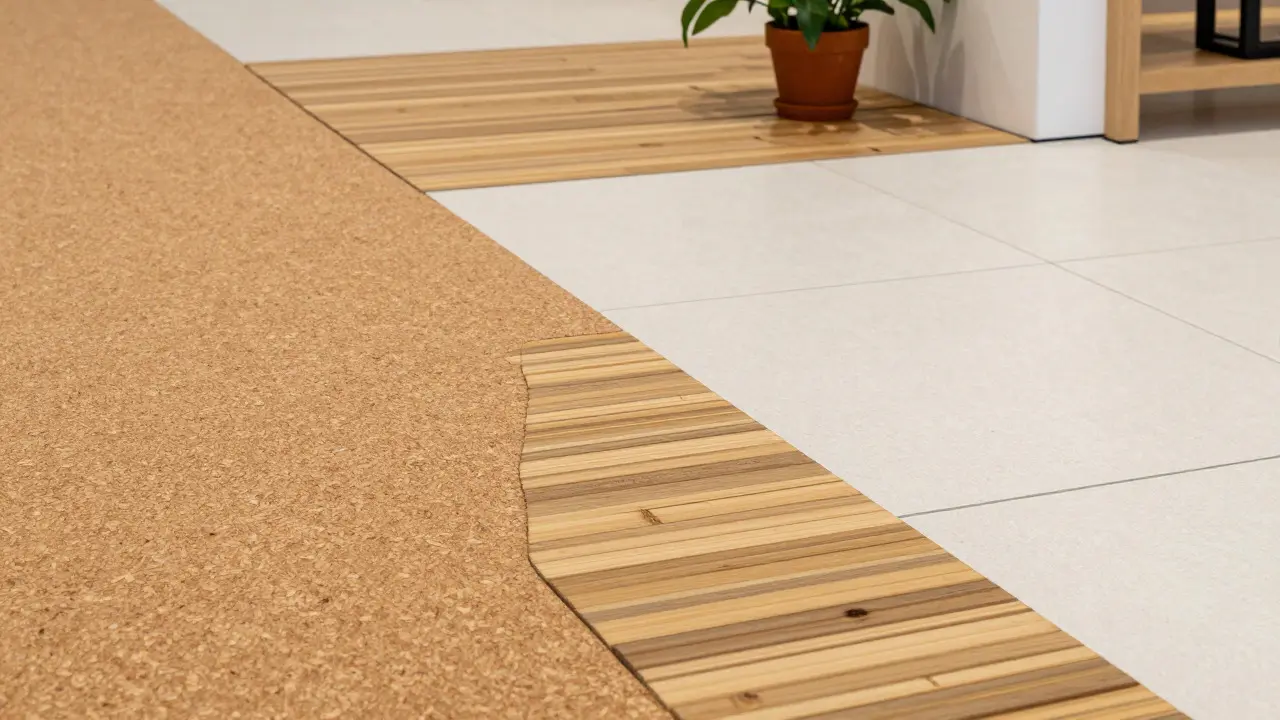
You don’t have to pick one material for the entire building. Many successful galleries use a hybrid approach. Entryways and hallways often feature polished concrete or tile to handle the wear and tear of constant foot traffic. The main exhibition halls might use engineered hardwood or cork to provide acoustic comfort and warmth for the audience.
When transitioning between materials, use transition strips that match the color palette. Avoid abrupt changes that distract from the art. Also, consider lighting. If you have recessed downlights, ensure the floor finish doesn’t create hot spots or reflections that obscure details in lower-hung artworks. Test samples under your actual lighting conditions before committing to a full installation.
Finally, involve your conservators early. Some finishes emit gases that react with certain pigments or mediums. A simple smell test isn’t enough; ask for chemical compatibility reports. Your floor should protect the art, not compromise it.
Frequently Asked Questions
Is concrete too cold for a gallery?
It depends on your climate and heating system. In colder regions, polished concrete can feel uncomfortably cold during winter months. You can mitigate this by installing radiant heating underneath the slab or using area rugs in key viewing areas. However, in mild climates like Portland, Oregon, it is rarely an issue.
Which floor is best for reducing echo?
Wood-based floors, particularly cork or engineered hardwood, are the best at absorbing sound. Concrete and tile reflect sound waves, creating an echo effect that can make conversations difficult to hear and distract from the visual experience. If acoustics are a priority, avoid fully tiled or concrete spaces without adding soft furnishings or rugs.
How do I maintain a polished concrete floor?
Maintenance is straightforward. Sweep or vacuum regularly to remove abrasive dust. Mop with a pH-neutral cleaner. Avoid acidic cleaners, which can etch the surface. Every few years, you may need to re-polish or apply a new sealer to maintain the gloss and protection level. Professional buffing is recommended for high-traffic areas.
Can I install hardwood over existing concrete?
Yes, engineered hardwood can be installed directly over concrete subfloors using glue-down or floating methods. Solid hardwood generally requires a wood subfloor first. Ensure the concrete is dry and level before installation. Moisture barriers are essential to prevent warping or mold growth beneath the wood.
What is the most sustainable option for a gallery?
Sustainability depends on sourcing and lifespan. Locally sourced, FSC-certified hardwood or rapidly renewable materials like bamboo and cork are strong contenders. Polished concrete is also sustainable if it uses local aggregates and minimizes waste. The most sustainable choice is often the one that lasts the longest with the least amount of repair and replacement.