Art Gallery Feasibility Study: How to Test Demand Before Opening
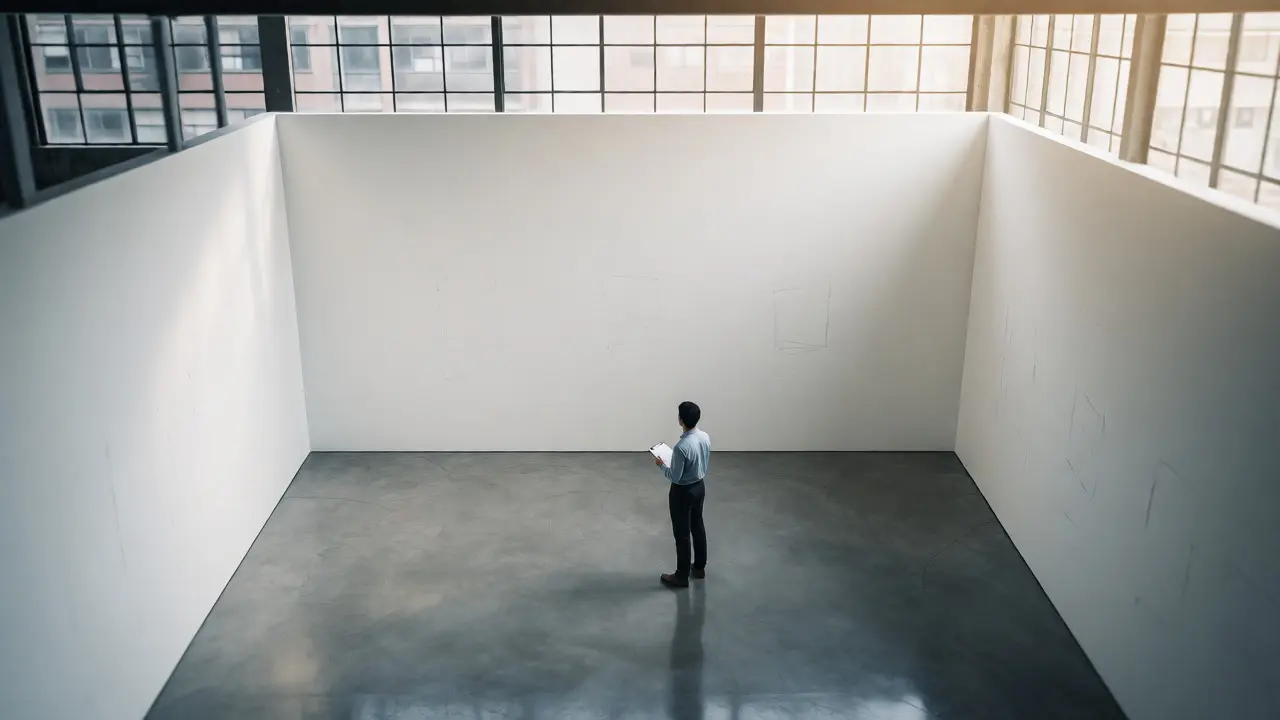
You have the perfect space. The light hits the walls just right, the neighborhood is buzzing with coffee shops and boutiques, and you have a curated list of artists who are ready to hang their work. It feels like the moment has arrived. But before you sign that lease or pour your savings into renovations, there is a brutal question you need to answer: will anyone actually buy this?
Most new galleries fail not because the art is bad, but because the founder skipped the Art Gallery Feasibility Study. This isn't just paperwork; it's a survival mechanism. A feasibility study forces you to prove that there is a paying audience for the specific type of art you want to sell in your specific location. Without it, you're gambling. With it, you're making an informed investment.
Why Passion Isn't Enough: The Reality Check
We all know someone who opened a gallery based on vibes. They loved contemporary abstracts, so they filled a white cube with them. Six months later, they were closing the doors because while people liked looking at the art, nobody wanted to take it home. The gap between aesthetic appreciation and financial commitment is where most startups die.
A proper feasibility study bridges that gap. It moves you from "I think" to "I know." You aren't just testing if people like art; you are testing if they have the disposable income, the taste, and the trust to spend $500, $5,000, or $50,000 on pieces from a brand-new entity. In Portland, for example, the collector base looks very different than in Miami or New York. What sells in one zip code might gather dust in another. Your job is to map that terrain before you plant your flag.
Step 1: Define Your Niche and Target Collector
"Art" is too broad. You need to narrow down exactly what you are selling and who is buying it. Are you focusing on emerging local painters? High-end vintage photography? Digital NFTs? Or perhaps mixed-media sculptures?
- Price Point Analysis: Who can afford your inventory? If your average piece is $2,000, your target customer needs an annual household income likely above $150,000. Research the demographics of your potential neighborhood. Tools like the U.S. Census Bureau data or local chamber of commerce reports give you hard numbers on median incomes and education levels.
- Psychographic Profiling: Income tells you who *can* buy. Psychographics tell you who *will* buy. Are your neighbors tech workers who prefer minimalist aesthetics? Do they frequent wine bars or dive bars? Understanding their lifestyle helps you tailor your marketing language and event style.
- Competitor Mapping: List every other gallery within a 5-mile radius. What do they sell? What are their price ranges? If three galleries nearby already specialize in landscape oil paintings, entering that niche requires a unique angle-perhaps a focus on eco-conscious materials or artist residencies.
Step 2: Low-Cost Market Testing Strategies
You don't need a brick-and-mortar location to test demand. In fact, signing a lease before validating your concept is a common mistake. Here is how to test the waters without breaking the bank.
The Pop-Up Model
Rent a short-term space for a weekend exhibition. Use platforms like Peerspace or local community centers. Invite friends, family, and targeted social media ads. Track everything: foot traffic, email sign-ups, and crucially, sales conversion rates. Did 1% of visitors buy something? That’s a baseline. If zero people bought anything despite high foot traffic, your pricing or selection might be off.
The Online Pre-Sale
Launch a simple website or Instagram shop featuring 10-15 pieces. Run small ad campaigns targeting your defined demographic. See if people click through to inquire about prices. Even better, try to pre-sell a few pieces online before you even hang them on a physical wall. If strangers send money for art they haven't seen in person, you have strong demand signals.
Collaborative Exhibitions
Partner with existing businesses that share your target audience-a high-end furniture store, a boutique hotel lobby, or a specialty restaurant. Hang your art there for free or low cost. Put QR codes next to each piece linking to a purchase page. This tests whether people will buy art when it’s integrated into their daily environment rather than in a sterile gallery setting.

Financial Viability: Crunching the Numbers
Demand is only half the equation. The other half is profitability. Many founders underestimate the fixed costs of running a gallery. Rent, insurance, utilities, lighting, and staff wages eat up cash flow fast. Variable costs include framing, shipping, artist commissions (typically 40-50%), and marketing.
| Expense Category | Low Estimate ($) | High Estimate ($) | Notes |
|---|---|---|---|
| Rent & Utilities | $2,500 | $8,000 | Depends heavily on city and square footage. |
| Staffing | $3,000 | $6,000 | One part-time associate vs. full-time manager. |
| Marketing & Ads | $500 | $2,000 | Social media ads, print flyers, launch events. |
| Insurance & Security | $300 | $800 | Coverage for theft, damage, and liability. |
| Miscellaneous | $200 | >$1,000Framing supplies, cleaning, software subscriptions. | |
| Total Monthly Burn | $6,500 | $17,800 | Excludes initial build-out costs. |
To break even, calculate your monthly burn rate and divide it by your average commission per sale. If your total monthly costs are $10,000 and you make $1,000 profit per sold piece, you need to sell 10 artworks every single month. Is that realistic for your niche? Most new galleries struggle to hit double digits in the first year. Be honest with yourself about these projections.
Assessing Location Traffic and Visibility
Location is destiny in retail art. A hidden gem sounds romantic, but it kills sales. You need foot traffic that matches your target demographic. Don't just look at the street name; stand on the corner at different times of the day and week. Count the number of people walking by. Observe what they are wearing and carrying. Are they tourists? Commuters? Locals out for dinner?
Consider the "Anchor Effect." Is there a major draw nearby? A popular museum, a trendy restaurant row, or a transit hub can drive incidental traffic. However, ensure this traffic converts. Tourists passing through might look but rarely buy high-ticket items unless they are specifically shopping for souvenirs. Local residents are more likely to become repeat collectors.
Also, check visibility from the road. Can you see the artwork from the sidewalk? Does the window display change frequently? Poor signage and dark windows are silent killers of gallery revenue. During your feasibility phase, photograph potential locations at night and during the day to assess lighting and curb appeal.

Building Relationships with Artists and Collectors
A gallery is a relationship business. You are the bridge between the creator and the buyer. Your feasibility study should include interviews with local artists. Ask them: Where do they currently sell? What frustrates them about existing galleries? What would make them loyal to a new partner?
Simultaneously, talk to potential buyers. Attend local art walks and open studios. Strike up conversations. Ask them why they buy art. Is it for investment? Decoration? Emotional connection? Their answers will shape your curation strategy. If collectors say they hate feeling pressured by salespeople, design your gallery layout to allow self-guided viewing with clear price tags and artist bios.
Trust is currency. New galleries lack reputation. You mitigate this risk by offering clear return policies, authenticating certificates, and transparent pricing. During your testing phase, offer these guarantees early. If people hesitate to buy because they don't know you, address that friction point immediately.
The Go/No-Go Decision Framework
After gathering your data, step back and evaluate. You aren't looking for perfection; you are looking for viability. Use this checklist to make your final decision:
- Did you achieve at least 3-5 sales during pop-up tests? If not, refine your product mix or pricing.
- Is your projected break-even point achievable within 12-18 months? If it takes 5 years to break even, do you have the capital reserves to survive?
- Do you have a waitlist of interested buyers? Email lists built during testing are gold. If you have 200 people who opted in to hear about openings, you have a starting audience.
- Have you secured commitments from 3-5 core artists? You need inventory. If artists are hesitant to show with you, your value proposition may be weak.
If you checked all these boxes, you are ready to move forward. If you missed two or more, go back to the drawing board. Adjust your niche, lower your overhead, or find a different location. The goal isn't to rush into a lease; it's to build a sustainable business model.
Common Pitfalls to Avoid
Even with a good study, founders often stumble on execution. One major pitfall is over-curating. Beginners tend to fill the space with their own favorite pieces, ignoring market trends. Listen to the data from your tests. If landscapes outsold portraits 3-to-1, stock more landscapes.
Another trap is underpricing. Fear of rejection leads many new owners to set prices too low. This hurts margins and devalues the artist's work. If you priced at $500 and everything sold instantly, raise prices to $750 for the next batch. Scarcity and higher perceived value often drive more interest than bargain-bin pricing.
Finally, neglecting digital presence. Even a physical gallery needs a robust online footprint. Your feasibility study should confirm that you can generate leads digitally. If your Instagram gets no engagement, fix that before opening the physical doors. The online channel is often the primary discovery tool for modern collectors.
How much does an art gallery feasibility study cost?
It varies widely depending on whether you hire a consultant or do it yourself. DIY studies primarily cost time and small amounts for pop-up rentals and advertising, potentially under $1,000. Hiring a professional firm for comprehensive market analysis can range from $5,000 to $15,000. For most independent startups, a rigorous DIY approach combined with targeted pop-up tests offers the best ROI.
What is the average profit margin for a new art gallery?
Gross margins typically hover around 40-50% after paying the artist. However, net profit margins are much thinner, often between 5-10% once rent, salaries, and marketing are deducted. New galleries often operate at a loss for the first 1-2 years while building their client base.
Do I need a large budget to test demand?
No. You can start with zero dollars by hosting exhibitions in shared spaces like cafes or co-working areas. Digital tests via social media ads can start with as little as $50-$100 per campaign. The key is consistency and tracking metrics, not spending big money upfront.
How long should I run my market tests before deciding?
Aim for at least 3-6 months of active testing. Art sales cycles can be slow, especially for higher-priced items. One weekend pop-up gives you a snapshot, but multiple events across different seasons provide a clearer picture of sustained interest and seasonal trends.
What if my feasibility study shows low demand?
This is valuable information, not failure. It saves you from losing significant capital. Pivot your strategy: change your art niche, adjust your price points, or consider a hybrid model (online-first with occasional physical shows). Sometimes, moving to a neighboring neighborhood with different demographics solves the problem entirely.