Art Fair Travel Logistics: Mastering Flights, Hotels, and Per Diems
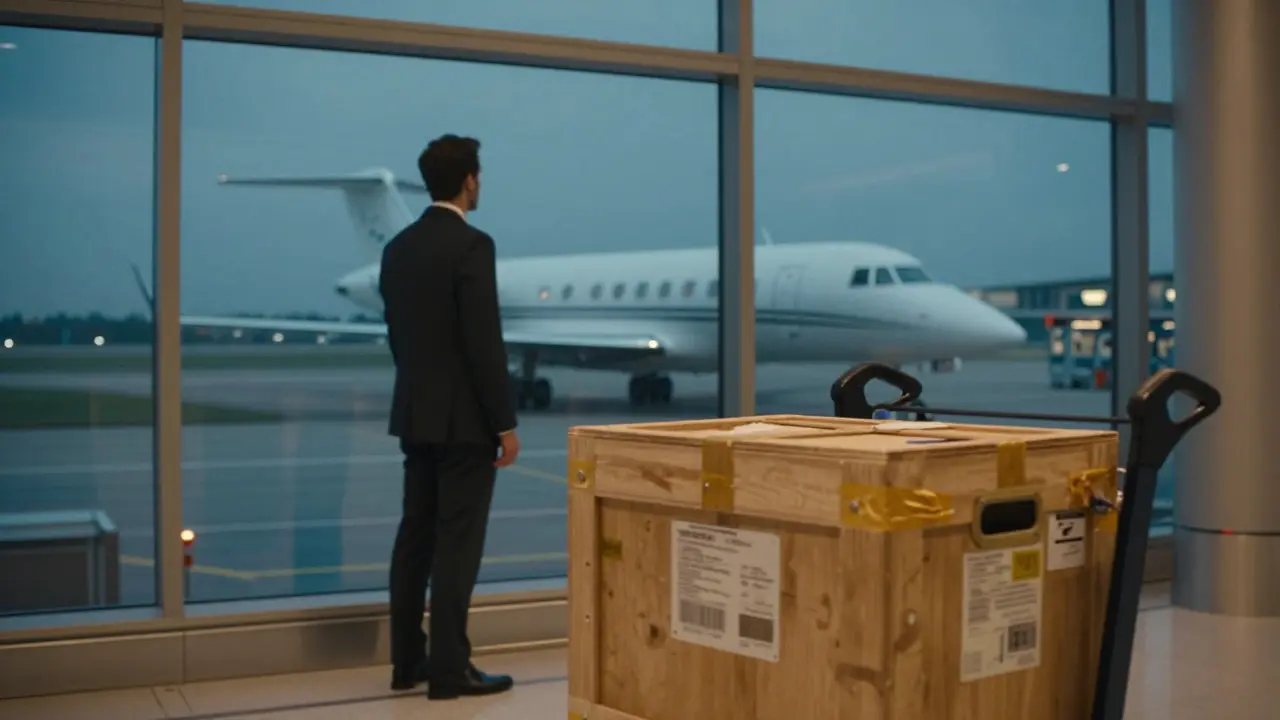
Missing a flight to Basel or getting stuck in a hotel with no elevator for your crates is the nightmare every gallerist dreads. You aren't just traveling for leisure; you are moving inventory, meeting collectors, and protecting fragile investments. The difference between a smooth week at an international art fair is a large-scale exhibition event where galleries display artworks for sale and acquisition and a logistical disaster often comes down to three things: timing, location, and budget accuracy.
Most people treat art fair travel like a standard business trip. That’s a mistake. The stakes are higher because the cargo is sensitive, the schedule is rigid, and the social calendar is dense. If you want to walk into the fair floor without stress, you need to approach your logistics with the same precision you apply to curating a show.
Key Takeaways
- Book flights 8-10 weeks out for major fairs to secure direct connections and avoid red-eye risks.
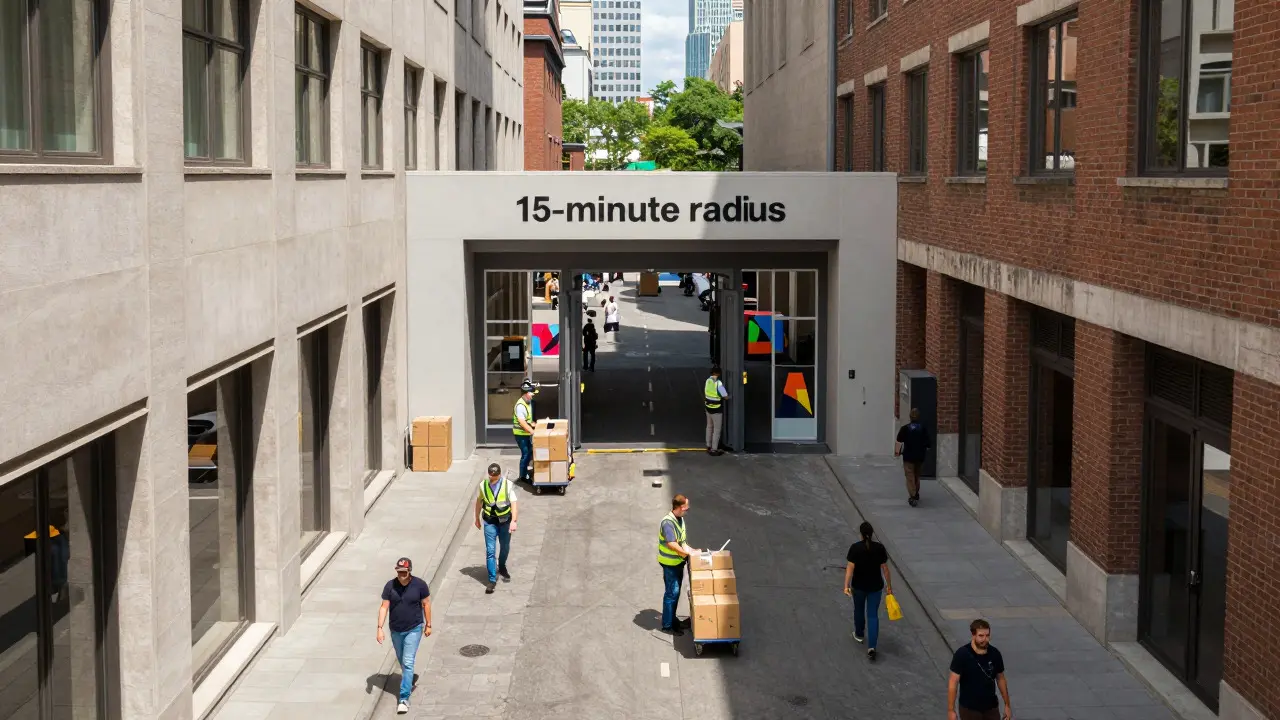
- Stay within a 15-minute radius of the fair venue; walking distance saves hours during setup and teardown.
- Calculate per diems based on local tax rules, not just personal spending habits, to maximize reimbursement.
- Always include buffer days for crate delivery and last-minute collector meetings.
Nailing the Flight Strategy
The biggest mistake in art fair travel is treating the flight as just transportation. It’s actually part of your workday. If you land at 9 PM after a 14-hour haul, you’re too tired to unpack crates or prep for the opening night. You also risk delays that cascade into missed vendor appointments.
For major hubs like Basel, Paris, New York, or Miami, aim for mid-week arrivals. Monday or Tuesday gives you time to settle in, inspect the gallery space, and handle any crate issues before the public opens. Avoid Sunday arrivals if possible; airport congestion is highest, and you’ll lose a full day to transit and rest.
Direct flights are non-negotiable when you have time-sensitive shipments. A layover in a hub city can mean a 6-hour delay, which might cause you to miss the crate truck window. When booking, prioritize airlines with strong reliability records in the specific region. For example, transatlantic routes have different punctuality stats than intra-European ones. Check recent data from sources like OAG (Official Aviation Guide) to see on-time performance for your specific route.
Also, consider seat selection. If you’re bringing small props or documents, aisle seats help you move around. If you’re flying long-haul, investing in extra legroom prevents the jet lag from hitting you harder. Your body needs to be ready for the physical demands of hanging art and standing for 10-hour days.
Hotel Selection: Location Over Luxury
You don’t need a five-star suite. You need a bed close to the action. The single most important factor in hotel choice is proximity to the fair venue. In cities like Basel or Geneva, the difference between staying in the old town versus the outskirts can be 20 minutes by car or 45 minutes by taxi during peak hours.
Look for hotels that offer:
- Easy access to freight elevators: Even if you’re not moving big pieces, you’ll likely have boxes of literature, catalogues, or small works. A hotel with a good service entrance or reliable elevator is crucial.
- Quiet rooms: You need sleep. Choose rooms away from main roads or party zones. Art fair weeks are loud, but your recovery time shouldn’t be disrupted.
- Flexible check-in/check-out: Crates often arrive early in the morning. Having a room available at 7 AM instead of 3 PM saves you from storing luggage in a lobby while you wait for the truck.
Don’t overlook the neighborhood vibe. Some areas around fairs become chaotic with crowds and traffic. Staying slightly further out but with a direct train or shuttle connection can sometimes be better than being in the thick of it. However, ensure the commute is under 15 minutes. Anything longer eats into your evening networking time.
One pro tip: Book a block of rooms if you’re bringing assistants or junior staff. This makes coordination easier and often gets you a group rate. Plus, having everyone in one building simplifies communication during the high-pressure first two days.
Understanding Per Diems and Expense Management
This is where many artists and gallery owners get tripped up. Per diems aren’t just “money for food.” They are a tax-efficient way to cover daily expenses without needing receipts for every coffee. But the rates vary wildly by location.
In the United States, the IRS sets standard mileage and per diem rates. For 2026, keep an eye on the annual adjustments released in January. These rates are split into lodging, meals, and incidental expenses. For international travel, the rates are often higher to account for cost-of-living differences.
Here’s a rough comparison of what you might expect in major art fair cities (rates fluctuate, so always verify current year standards):
| City | Lodging (USD) | Meals & Incidental (USD) | Total Approx. |
|---|---|---|---|
| New York | $250 - $300 | $85 | $335 - $385 |
| Basel | $200 - $250 | $75 | $275 - $325 |
| Miami Beach | $220 - $280 | $80 | $300 - $360 |
| London | $240 - $300 | $90 | $330 - $390 |
Note: These are estimates for planning purposes. Always check the official government guidelines for the specific year and country you are visiting. In Europe, VAT rules can affect how much you actually pay out of pocket versus what is reimbursable.
The key to maximizing your per diem is tracking your actual spend against the limit. If you stay under the meal allowance, you don’t need to save the receipt for that lunch. This saves hours of bookkeeping at the end of the month. Use a simple app or spreadsheet to log daily totals. It keeps you honest and makes tax season painless.
Crate and Cargo Logistics
Your art isn’t the only thing traveling. Crates, packing materials, and labels all need to arrive on time. Coordinate with your shipper at least four weeks before the fair. Confirm the exact address of the fair’s loading dock, not just the city. Many fairs have multiple entrances, and using the wrong one can add an hour to your unloading process.
Label everything clearly. Include the gallery name, booth number, and contact info on both sides of the crate. If a crate gets lost, clear labeling helps it find its way back faster. Also, keep a digital copy of your packing list and photos of each piece in its packed state. This is your insurance proof if anything goes wrong.
Consider hiring a local handler if you’re new to the city. They know the traffic patterns, the best times to deliver, and the quirks of the venue. The cost is usually worth it compared to the stress of navigating a foreign logistics system alone.
Common Pitfalls to Avoid
Even experienced travelers make mistakes. Here are the top three to watch out for:
- Underestimating Setup Time: Think you can hang your show in 4 hours? Budget for 8. Walls need drying time, lighting requires adjustment, and there will always be one piece that doesn’t fit right. Build slack into your schedule.
- Ignoring Local Holidays: Check if the fair dates overlap with local holidays. Shops may be closed, affecting your ability to buy last-minute supplies or print marketing materials. Staff levels at venues may also be lower.
- Overpacking Literature: Bring only what you need. Digital catalogs are increasingly accepted, but physical books still matter. Balance the weight. Too much paper means heavier bags and higher shipping costs.
Frequently Asked Questions
How far in advance should I book my flight for an art fair?
Aim for 8 to 10 weeks in advance for major international fairs. This window typically offers the best balance of price and availability. Booking later increases the risk of limited direct flights and higher prices due to demand surges.
What is the ideal distance from my hotel to the art fair venue?
Ideally, within a 15-minute walk or drive. During setup and teardown, traffic can be unpredictable. Being close allows you to make quick trips back to the hotel for forgotten items or to rest between shifts without losing significant time.
Do I need receipts for per diem expenses?
Generally, no, if you stay within the allowed per diem rate for meals and incidentals. You only need to keep receipts if you exceed the limit or if your employer requires documentation for internal accounting. Lodging usually requires receipts regardless of per diem status.
Should I hire a local art handler for my first fair?
Yes, especially for your first few visits to a new city. Local handlers know the specific logistics of the venue, including loading dock schedules, elevator restrictions, and common pitfalls. Their expertise can prevent costly delays and damage.
How do I manage jet lag during an intense art fair week?
Start adjusting your sleep schedule 3-4 days before departure. Stay hydrated, limit caffeine after noon, and try to maintain a consistent wake-up time even if you slept poorly. Prioritize short naps over long ones to avoid grogginess during critical meeting times.