Art Collection Legacy Planning: How to Donate or Bequeath Art via Wills

Imagine waking up one morning to find that your favorite painting is gone. Not stolen, but legally transferred because you forgot to update your will after selling three other pieces last year. It’s a nightmare scenario for many serious collectors, yet it happens more often than you’d think. Art collection legacy planning isn’t just about preserving beauty; it’s a complex financial and legal strategy that determines who gets what, how much tax you pay, and whether your work ends up in a museum or a storage unit.
For most people, thinking about their art collection only starts when they buy the piece. But the real work begins with the exit strategy. Do you want your children to inherit the value? Do you want to support a local gallery? Or do you simply want the art to stay together as a cohesive body of work? The answer changes everything about how you structure your documents today.
Why Your Will Alone Is Not Enough
A standard last will and testament is the foundation of any estate plan, but for high-value tangible assets like art, it has significant blind spots. When you die, your will instructs your executor on how to distribute your property. However, art is unique because its value can fluctuate wildly based on market trends, condition, and provenance.
If you leave "my entire collection" to your daughter, she inherits both the masterpiece and the questionable sketch you bought at a garage sale. She also inherits the responsibility of appraising, insuring, and storing every single item. This is where the concept of specific bequests comes in. Instead of a blanket statement, you might designate specific works to specific beneficiaries. For example, "The 1950s Abstract Canvas by John Doe goes to my son, Mark." This clarity prevents family disputes and ensures that the right person gets the right piece.
However, there is a catch. If you sell a designated piece before you pass away, that specific bequest fails unless you include a residuary clause. A residuary clause acts as a safety net, stating what happens if an asset is no longer part of your estate. Without it, the gift might default to your general estate, potentially diluting the intent behind your original choice.
The Tax Implications of Donating vs. Inheriting
This is where the conversation shifts from sentiment to strategy. Whether you donate your art while alive (an inter vivos gift) or bequeath it through your will (a testamentary gift), the tax treatment differs significantly. Understanding these differences can save your heirs thousands of dollars or maximize your own charitable impact.
When you donate art to a qualified public charity, such as a museum or university, you generally receive a tax deduction equal to the fair market value of the artwork at the time of the gift. This is known as a stepped-up basis advantage if you held the art for more than one year. Essentially, the charity doesn't have to pay capital gains tax on the appreciation, and you get a deduction for the full current value.
On the other hand, if you leave art to your children via your will, they receive a "step-up in basis" to the date-of-death value. This means if you bought a painting for $10,000 and it is worth $100,000 when you pass, your child’s cost basis becomes $100,000. If they sell it immediately, they owe zero capital gains tax on the $90,000 increase. This is a massive benefit compared to gifting the art during your lifetime, where the recipient would keep your original low basis and face heavy taxes upon sale.
| Feature | Lifetime Donation (Inter Vivos) | Testamentary Bequest (Via Will) |
|---|---|---|
| Tax Benefit to Collector | Deduction for fair market value | No immediate deduction; potential estate tax reduction |
| Basis for Recipient | Carryover basis (your original purchase price) | Stepped-up basis (date-of-death value) |
| Control Over Outcome | High (you choose the charity now) | Moderate (subject to probate and executor discretion) |
| Best For | Maximizing current tax deductions | Minimizing heirs' future capital gains tax |
Choosing the Right Recipient: Family vs. Charity
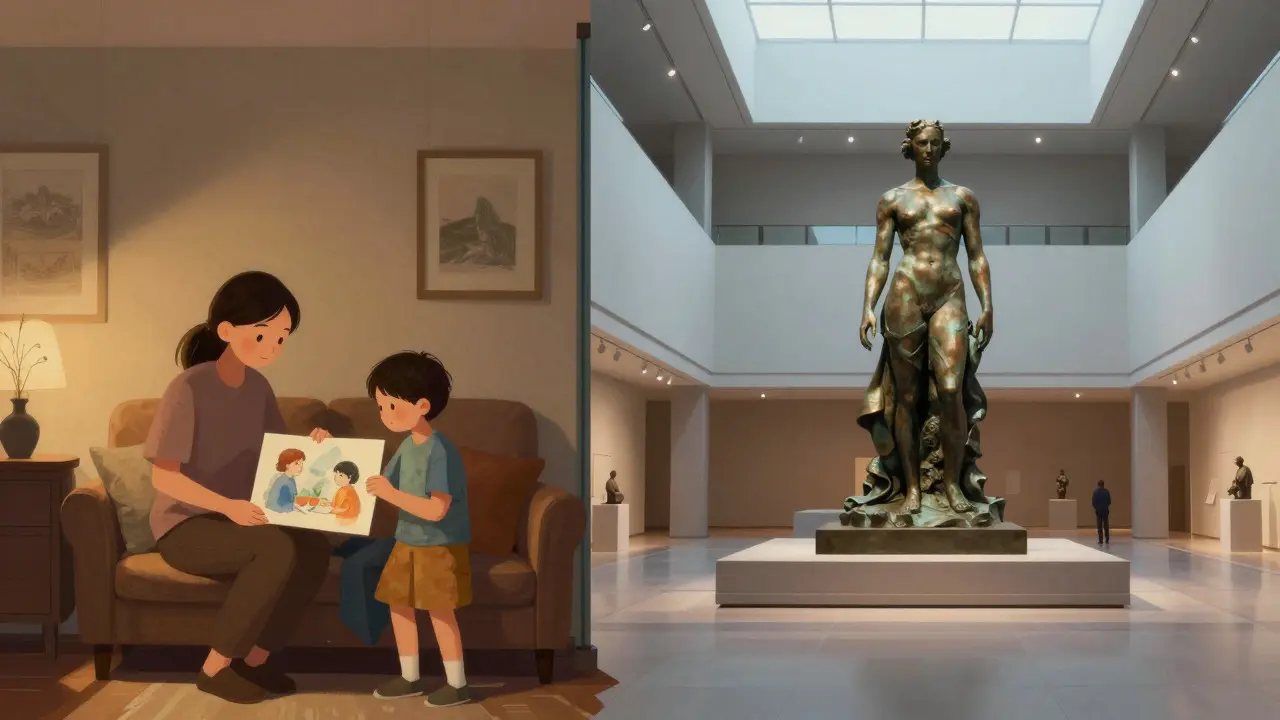
Deciding who receives your art is rarely just about money. It’s about stewardship. If you leave a fragile watercolor to a nephew who lives in a damp basement, the art’s preservation is at risk. Conversely, leaving a robust bronze sculpture to a charity that lacks proper climate control can also lead to deterioration.
Many collectors create a hybrid approach. They bequeath their most personal or sentimental pieces to family members who share their passion for art. Meanwhile, they donate their most valuable or institutionally relevant works to museums or universities. This split ensures that the emotional core of the collection stays within the family, while the financial and cultural weight supports public institutions.
Before making this decision, talk to your heirs. Ask them directly: "Do you want this painting, or would you prefer the cash equivalent?" Surprisingly, many heirs prefer liquidity. They may love the idea of owning art, but the reality of insurance premiums, conservation costs, and finding wall space is daunting. Offering them a choice between the physical asset and its cash value can prevent resentment later.
Provenance and Documentation: The Hidden Value
In the world of fine art, provenance-the documented history of ownership-is as valuable as the paint itself. When planning your legacy, ensure that every piece in your collection has a complete provenance file. This includes purchase receipts, exhibition records, critical reviews, and certificates of authenticity.
If you are donating to a museum, they will scrutinize this documentation rigorously. Gaps in provenance can reduce the valuation or even disqualify the gift. Similarly, if you are bequeathing to family, clear documentation helps establish the value for estate tax purposes and protects against claims of forgery or theft.
Create a central inventory of your collection. List each item with its title, artist, medium, dimensions, acquisition date, purchase price, and current appraisal value. Store this document in a secure location, such as with your attorney or in a digital vault accessible to your executor. Update this inventory annually, especially after any sales or acquisitions. This document becomes the roadmap for your executor, ensuring they know exactly what needs to be distributed and where it is physically located.
Common Pitfalls to Avoid
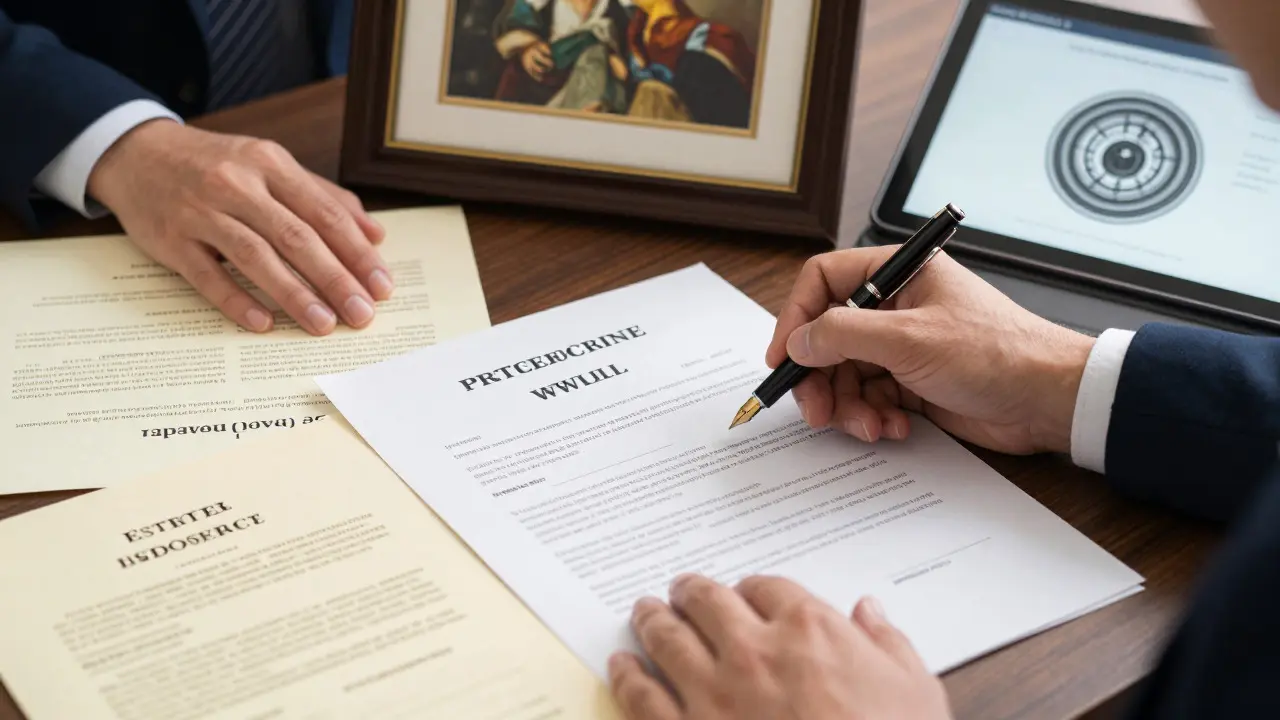
Even well-intentioned collectors make mistakes that complicate their legacy plans. Here are the most common traps to watch out for:
- Outdated Appraisals: Art values change. An appraisal from five years ago may not reflect today’s market. Get fresh appraisals for high-value pieces before finalizing your will or trust.
- Ignoring Joint Ownership: If you bought art jointly with a spouse or partner, clarify how it is titled. Joint tenancy usually passes automatically to the surviving owner, bypassing your will entirely. This can override your specific bequests.
- Failing to Specify Storage Instructions: Who pays for climate-controlled storage until the distribution is complete? Include provisions for ongoing care costs in your estate plan.
- Overlooking Estate Taxes: For very large collections, the total value of the art could push your estate over the federal exemption threshold. Consult a tax advisor to see if gifting strategies or irrevocable trusts are necessary to mitigate estate tax liability.
Next Steps for Your Art Legacy
Starting your art collection legacy planning doesn’t require a lawyer today, but it does require action. Begin by taking stock of what you own. Identify which pieces hold the most financial value and which hold the most emotional significance. Then, schedule a meeting with an estate planning attorney who specializes in collectibles or fine art. Bring your inventory list and any existing appraisals.
Ask them to review your current will and trust documents to see if they adequately address your art. Discuss the tax implications of your preferred distribution method. And finally, have an honest conversation with your family about their desires and capabilities. By addressing these elements now, you ensure that your collection continues to inspire long after you’re gone, rather than becoming a source of confusion or conflict.
Should I insure my art collection for estate planning purposes?
Yes, you should maintain comprehensive fine art insurance. While the policy primarily protects against loss or damage during your lifetime, it provides a baseline for valuation. More importantly, having an active policy demonstrates that the collection is being cared for, which can strengthen provenance claims and reassure heirs or charities that the assets are protected until transfer.
Can I change my mind about who gets my art after I write my will?
Absolutely. A will is a revocable document, meaning you can update it at any time while you are competent. If your relationships change or you acquire new pieces, revise your will to reflect those changes. Just ensure the new version is properly executed according to state laws to avoid validity issues.
What happens if my heir refuses the art I left them?
If an heir refuses a specific bequest, the asset typically falls into the residuary estate. This means it becomes part of the general pool of assets distributed according to the remainder of your will. To prevent this, consider including a clause that allows the executor to sell the refused item and give the proceeds to the heir, or designate an alternative recipient.
Is it better to put art in a trust or a will?
A trust offers more privacy and speed than a will. Assets in a revocable living trust bypass probate, allowing for quicker distribution. This is particularly useful for art, as probate can take months or years, during which the collection must be stored and insured. However, setting up a trust requires transferring title to the trust entity, so consult your attorney to determine if the administrative burden is worth the benefits for your specific collection size.
How often should I update my art inventory for estate planning?
You should update your inventory annually or whenever you make a significant purchase or sale. Market values can shift rapidly, and keeping your records current ensures that your appraisals remain relevant for tax deductions or estate calculations. An annual review also gives you a chance to reassess your distribution preferences based on changes in your family dynamics or collection composition.