Annual Art Insurance Policy Reviews: Keep Coverage Adequate
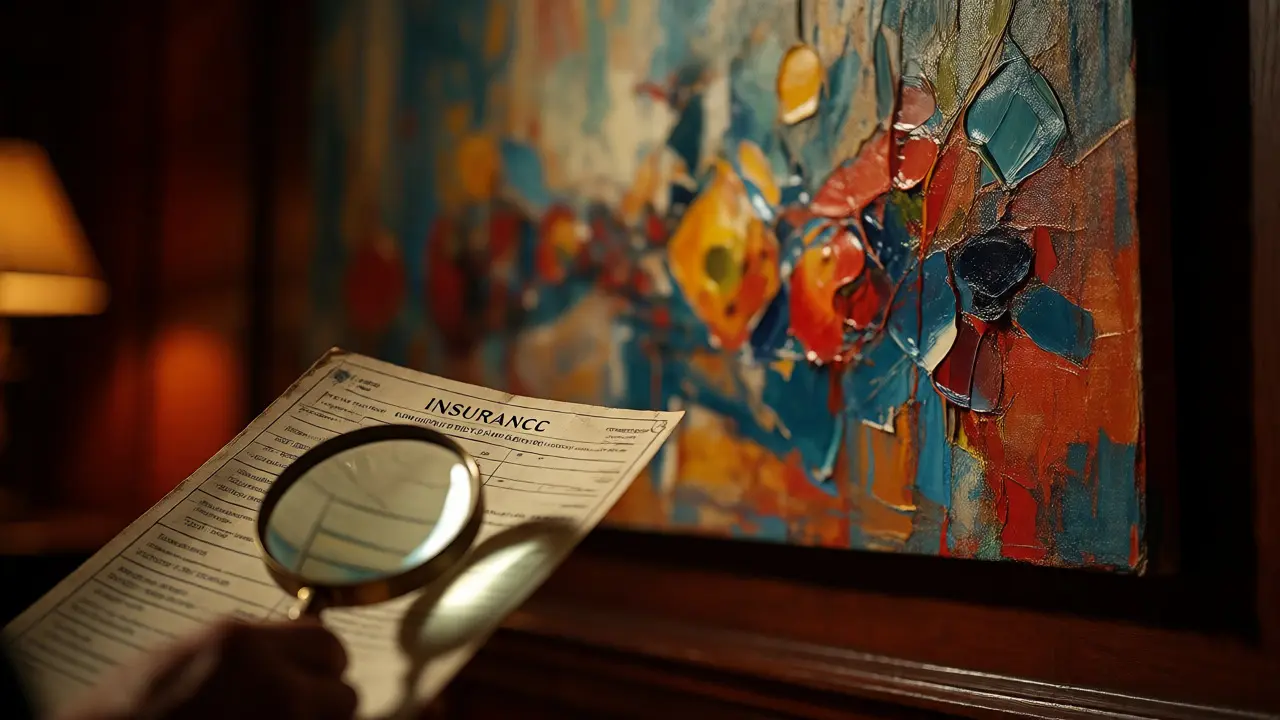
Imagine you bought a painting five years ago for $5,000. Today, it’s worth $25,000. If it gets damaged tomorrow, will your insurer pay the new value? Probably not, unless you actively updated your policy. Most people treat their art insurance as a "set it and forget it" task, but that mindset leaves huge gaps in protection. The market shifts, values climb, and theft risks evolve. An annual review isn't just paperwork; it's the only way to ensure your collection is actually covered when disaster strikes.
Why Annual Reviews Are Non-Negotiable
Insurance policies are static documents, but the art world is dynamic. Inflation alone can erode your coverage limits over time. Consider the cost of restoration materials or specialized labor, which often rise faster than general inflation. If your policy was written in 2021, the payout limits likely reflect prices from then, not now. By reviewing your policy every twelve months, you catch these discrepancies before they become financial disasters. Beyond inflation, your personal circumstances change. Did you move? Did you buy a new piece? Did you lend a work to a gallery? Each of these actions alters your risk profile. Insurers calculate premiums based on current exposure. If you don’t update them, you might be underinsured during a claim, leading to partial payouts that leave you out of pocket for repairs or replacements.
Conducting a Thorough Inventory Audit
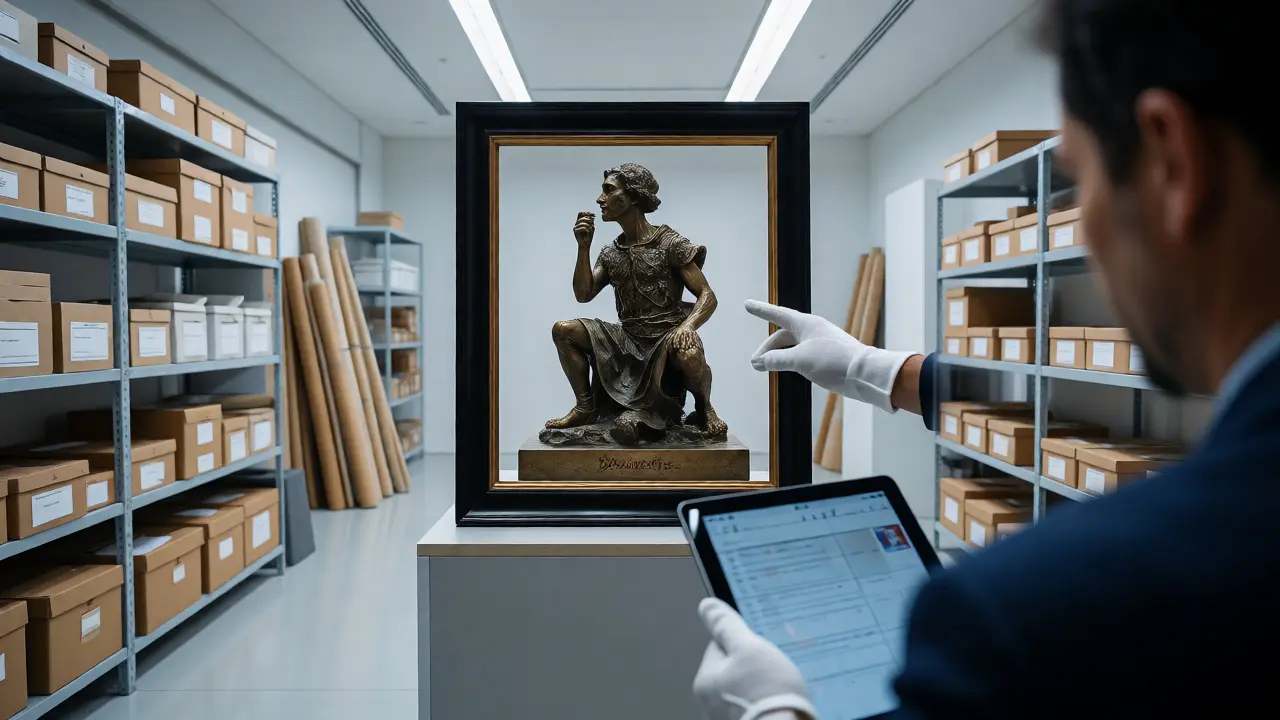
You cannot insure what you haven't documented. The first step in any annual review is updating your inventory. This goes beyond a simple spreadsheet list. You need high-resolution photographs of each item, taken from multiple angles, including close-ups of signatures, frames, and any pre-existing damage. Store these digital files in a secure cloud service and keep physical copies off-site. For each item, record specific details:
- Purchase date and price (with receipts if available)
- Artist name, title, medium, and dimensions
- Provenance history and exhibition records
- Current appraised value and appraisal date
Understanding Valuation Methods
Not all valuations are created equal. When reviewing your policy, check how your insurer determines value. There are three common methods, and choosing the wrong one can hurt you.
| Method | Definition | Best For | Risk Factor |
|---|---|---|---|
| Actual Cash Value | Replacement cost minus depreciation | Decorative items, prints | Low payout; ignores market appreciation |
| Agreed Value | Pre-set amount agreed upon at policy inception | High-value fine art, antiques | Requires regular re-appraisal to stay accurate |
| Replacement Cost | Cost to replace with similar item today | Modern art, mass-produced pieces | Hard to prove exact match exists |
Reviewing Coverage Limits and Exclusions
Read the fine print. Standard homeowner’s policies often have sub-limits for valuable articles. A typical cap might be $2,500 per item for theft or $5,000 total for all artwork. If you own a single sculpture worth $10,000, a standard policy fails you completely. You need a scheduled floater or a standalone fine art insurance policy.
During your review, look for these common exclusions:- Gradual Damage: Mold, mildew, or sun fading often aren't covered unless sudden and accidental.
- Mysterious Disappearance: Some policies won't pay out if you can't prove the item was stolen.
- Transit Risks: Coverage while shipping or traveling might require separate endorsements.
The Role of Professional Appraisals
An appraisal is a snapshot in time. Markets fluctuate based on artist popularity, economic conditions, and auction results. For works by emerging artists, values can spike quickly. Conversely, trends can cool, lowering resale potential. While you don't need a new appraisal every year for stable blue-chip artists, you should review the last report annually. Ask yourself: Has the artist had major museum exhibitions? Have recent auction prices doubled? If yes, contact your appraiser. They can issue a letter of opinion confirming the current market value without the full cost of a fresh appraisal. This document is often enough for insurers to adjust your Agreed Value limits. Keeping your valuation current ensures you aren't paying too much premium for outdated high values, nor are you underinsured due to stale low values.
Adjusting Premiums and Deductibles
Your annual review is also a chance to optimize costs. As your collection grows, so does your premium. But did you know bundling can help? Many insurers offer discounts if you combine your auto, home, and art policies. Check if your provider offers multi-policy discounts. Also, consider raising your deductible. If you have a robust emergency fund, increasing your deductible from $1,000 to $2,500 might lower your annual premium by 10-15%. Since most art claims involve significant losses, you're unlikely to file small claims anyway. Use this strategy to save money on premiums while keeping catastrophic protection intact.
Documenting Changes for Your Insurer
Once you've audited your inventory and checked valuations, communicate with your agent. Don't assume they know about new acquisitions. Send them an updated schedule listing new items, removed items (sold or donated), and adjusted values. Request a revised declarations page showing the new totals. Keep this document with your other important papers. If you skip this step, your insurer can argue they weren't notified of increased risk, potentially denying a claim on newer additions.

Common Pitfalls to Avoid
Even diligent owners make mistakes. Here are frequent errors found during audits:
- Ignoring Frame Damage: Frames are often insured separately or excluded. Ensure ornate antique frames are listed individually.
- Underestimating Installation Costs: If a piece is destroyed, who pays for hanging it again? Check if labor is included.
- Overlooking Digital Art: NFTs and digital collections require specific tech-focused riders. Traditional policies rarely cover lost hard drives or corrupted files.
Frequently Asked Questions
How often should I get my art appraised?
For high-value items ($10,000+), aim for a new appraisal every 3 to 5 years. For rapidly appreciating modern art, consider annual letters of opinion. Stable classic works may only need updates every decade.
Does homeowner's insurance cover art theft?
Yes, but usually with strict sub-limits (e.g., $2,500 per item). For comprehensive protection, you need a scheduled personal property endorsement or a standalone fine art policy.
What happens if I lose the receipt for an artwork?
Receipts are helpful but not mandatory. Provenance documents, gallery invoices, previous appraisals, and photos can establish ownership and value. Start building a paper trail now if you lack original receipts.
Can I insure art stored in a bank vault?
Generally, yes, but you must inform your insurer of the storage location. Off-site storage may qualify for lower premiums due to reduced risk of household accidents like fire or water damage.
Is 'mysterious disappearance' covered?
It depends on the policy. All-risk policies typically cover mysterious disappearance, meaning you don't need proof of theft. Named-peril policies often exclude it. Check your specific terms.
Next Steps for Collectors
Don't wait for a crisis to open your policy binder. Set a recurring calendar reminder for late November or early December. Gather your inventory, check your appraisals, and call your agent. A thirty-minute conversation now could save you thousands later. Your collection represents passion and investment; protect it with the same diligence you applied to acquiring it.