Annual Art Insurance Policy Reviews: Keep Coverage Adequate
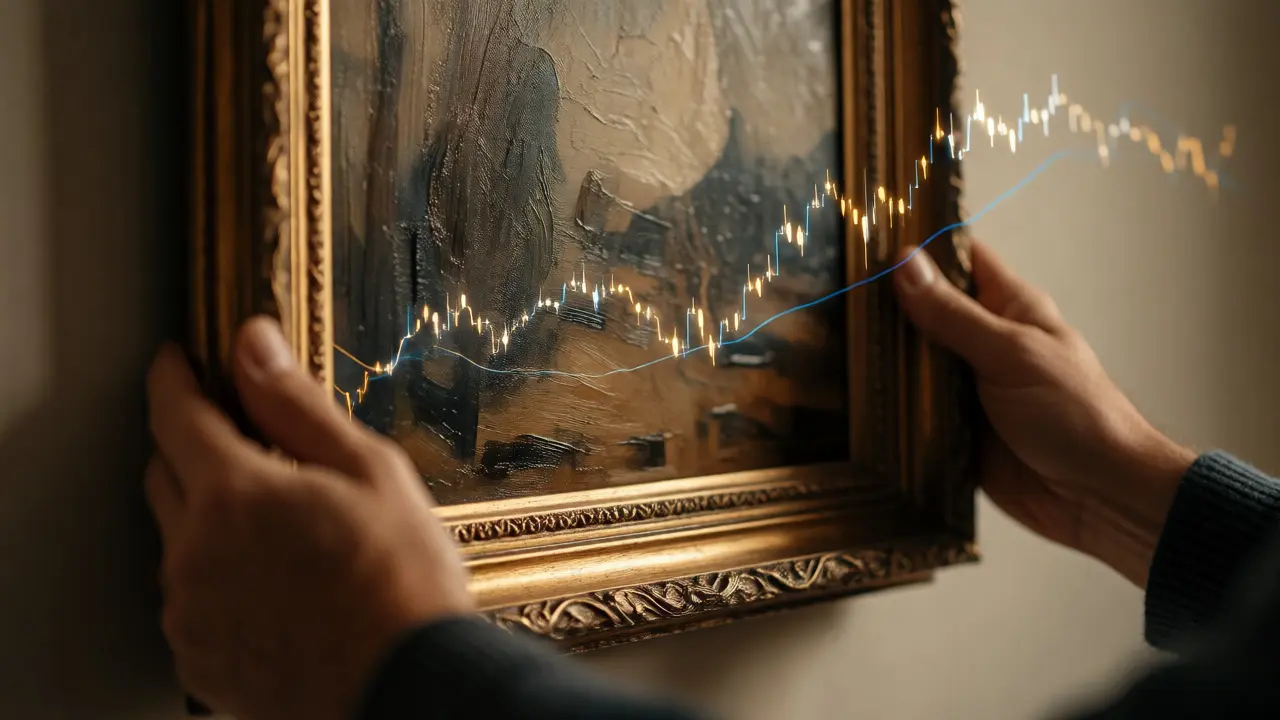
You bought a painting five years ago for $5,000. It looks the same on your wall. But if you filed a claim today, your insurer might only pay out $4,200. Why? Because Art Insurance is not static; it tracks market value, inflation, and risk exposure. Most policies have an annual review clause that gets ignored until disaster strikes.
Skipping this step is like driving with low tire pressure. You don’t notice it until you’re sliding off the road. For collectors, artists, and galleries, an annual art insurance policy review isn’t just paperwork-it’s the difference between full recovery and a painful gap in your bank account.
Why Your Policy Value Drifts Every Year
Insurance companies calculate premiums based on declared values. If you set that value three years ago, it’s likely stale. The art market doesn’t hold still. Between 2021 and 2023, certain contemporary art sectors saw double-digit percentage gains. Even if your specific piece didn’t sell, comparable sales (comps) drive its insured value up.
Consider inflation. A standard homeowner’s policy often has a sub-limit for fine art-sometimes as low as $2,500 per item. That cap hasn’t moved much in a decade. Meanwhile, the cost to restore a damaged canvas or frame has risen by roughly 15% due to labor shortages and material costs. If you haven’t adjusted your limits, you are effectively underinsured every single year you wait.
The Appraisal Cycle: When Do You Need New Numbers?
Insurers generally require updated appraisals every three to five years. But waiting for their deadline is risky. You should trigger a new appraisal if any of these happen:
- Market Shifts: The artist’s work recently sold at auction for significantly more than your last valuation.
- Physical Changes: You restored the piece, added a custom frame, or altered its condition.
- Acquisition: You bought new pieces that push your total collection value into a higher bracket.
- Location Change: You moved from a climate-controlled gallery space to a residential home with different environmental risks.
A certified appraiser uses USPAP (Uniform Standards of Professional Appraisal Practice) guidelines. They look at provenance, condition reports, and recent auction results. Don’t rely on the receipt from the gallery. That number reflects retail price, not necessarily current fair market value for insurance purposes.
Specialized Coverage vs. Homeowner’s Add-Ons
Many people assume their homeowner’s insurance covers everything. It rarely does. Standard policies exclude "mysterious disappearance" and often deny claims for damage caused by gradual deterioration, like mold from humidity fluctuations. Specialized Fine Art Insurance offers broader terms.
| Feature | Standard Homeowner’s | Specialized Fine Art Policy |
|---|---|---|
| Coverage Basis | Actual Cash Value (depreciated) | Agreed Value (no depreciation) |
| Per-Item Limit | $1,000 - $5,000 typical | Unlimited (based on schedule) |
| Mysterious Disappearance | Usually Excluded | Included |
| Transit Coverage | Limited or None | All-Risk Worldwide Transit |
| Claims Process | General Adjuster | Art Specialist Adjuster |
The key distinction is "Agreed Value." In a specialized policy, you and the insurer agree on the worth before a loss occurs. If the piece burns down, you get that agreed amount, minus any deductible. No arguing about whether it was worth $10k or $8k after it’s ash.

Conducting Your Annual Review Checklist
Treat this like a medical checkup. You wouldn’t skip your blood pressure reading because you feel fine. Here is how to run a quick but effective audit of your coverage.
- Inventory Update: Walk through your space. Photograph every piece, including backsides and signatures. Note any new acquisitions or sales. If you sold a piece, remove it from the schedule to lower premiums.
- Value Adjustment: Check recent auction results for similar works. If values have risen 10% or more, contact your broker. Small adjustments now prevent massive gaps later.
- Deductible Assessment: Can you afford the current deductible? If you raised your deductible to save money two years ago, ensure your emergency fund can still cover it. A $2,500 deductible hurts less when you have savings.
- Security Audit: Did you install new locks, cameras, or fire suppression systems? Insurers offer discounts for security upgrades. Tell them about changes; they might lower your premium.
- Policy Wording Check: Read the exclusions. Does your policy cover flood? Earthquake? Damage during shipping to an exhibition? These are often separate endorsements.
Risk Factors That Trigger Premium Hikes
Your location matters. Living in Portland, Oregon, means dealing with seismic activity and potential wildfire smoke damage. Insurers adjust rates based on regional risk models. If you live in a high-humidity zone, mold risk increases premiums. If you travel frequently with art, transit risk becomes a larger factor.
Also, consider your storage habits. Are you storing art in a basement prone to flooding? Or in a sunroom where UV rays fade pigments? Some policies require specific environmental controls. Failing to maintain proper humidity levels (typically 45-55%) could void a claim related to cracking or warping.
What Happens During a Claim?
If disaster hits, the quality of your annual review pays off immediately. A well-documented inventory speeds up processing. Without it, you’re scrambling to prove ownership and value while stressed.
Specialized insurers use expert conservators to assess damage. They determine if repair is possible or if the piece is a total loss. With Agreed Value coverage, you receive the payout quickly. With Actual Cash Value, expect delays and negotiations over depreciation percentages. This is why the upfront effort of reviewing your policy saves months of headache later.
Common Mistakes Collectors Make
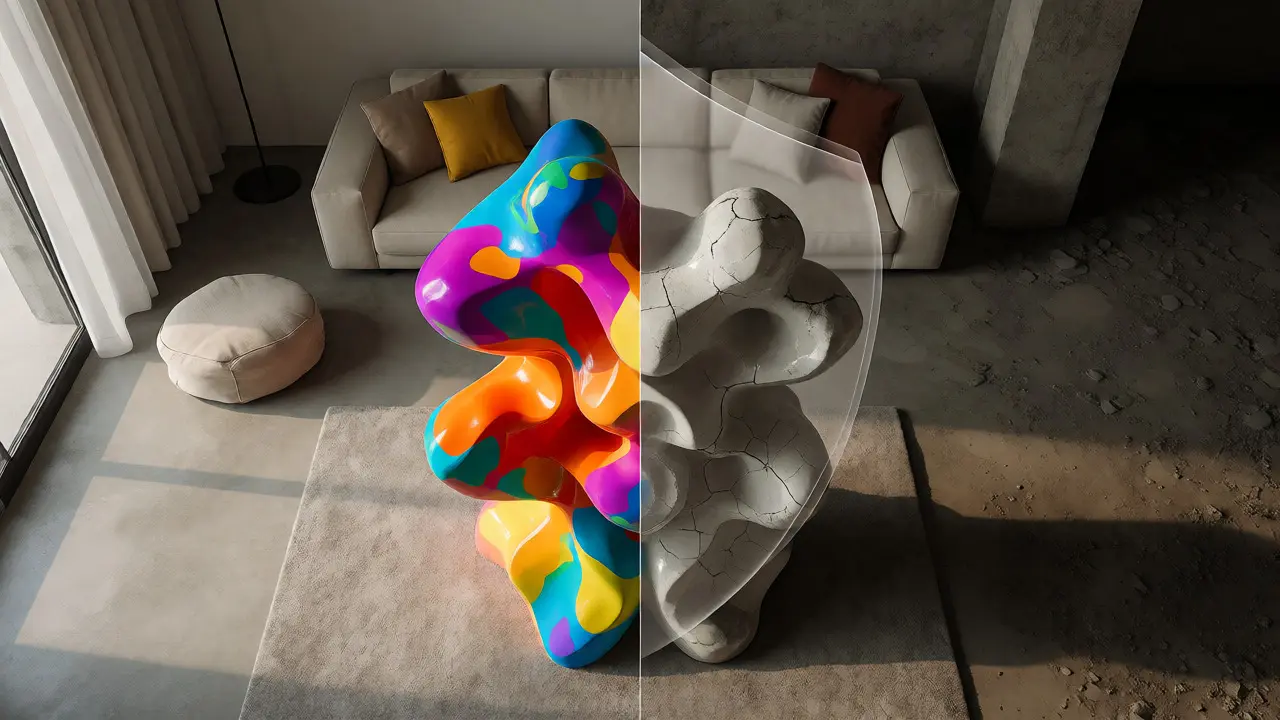
One major error is assuming all art is covered equally. Sculptures, installations, and digital NFTs have unique risks. Digital assets require specific cyber-theft clauses. Physical sculptures need impact coverage. Generic policies miss these nuances.
Another mistake is ignoring liability. If someone trips over your sculpture in a public display area, who pays? General liability might not cover art-specific incidents. Ensure your policy includes personal liability protection for injuries caused by your collection.
Finally, don’t forget about temporary loans. Lending a piece to a museum? Ensure their insurance covers it while in transit and on display. Confirm they name you as an additional insured. Never assume their policy protects your asset fully.
How often should I update my art insurance appraisal?
Most insurers recommend updating appraisals every three to five years. However, you should update sooner if there is a significant change in the market value of the artist's work, if the piece undergoes restoration, or if you acquire new high-value items. Regular reviews help ensure your coverage matches current fair market value.
Does homeowner's insurance cover fine art adequately?
Generally, no. Homeowner's policies often have low sub-limits for fine art (e.g., $2,500 per item) and may exclude 'mysterious disappearance' or gradual damage. Specialized fine art insurance provides 'all-risk' coverage, agreed value payouts, and broader protection against theft, damage, and loss in transit.
What is 'Agreed Value' in art insurance?
Agreed Value means the insurer and policyholder agree on the worth of the artwork before a loss occurs. If the item is destroyed or stolen, the insurer pays the agreed amount without deducting for depreciation. This contrasts with 'Actual Cash Value,' which subtracts depreciation from the replacement cost.
Can I insure art stored in a warehouse?
Yes, but you must notify your insurer. Storage locations have different risk profiles regarding theft, climate control, and fire safety. Moving art to a warehouse may require a rider or endorsement to your policy. Ensure the facility meets the insurer's standards for security and environmental conditions.
Do I need separate insurance for art in transit?
If you transport art frequently, yes. Standard policies may limit coverage outside your home. 'All-Risk Transit' coverage protects against damage during shipping, loading, and unloading. For high-value loans or exhibitions, verify that the borrowing institution's insurance covers the piece, or purchase a temporary transit policy yourself.